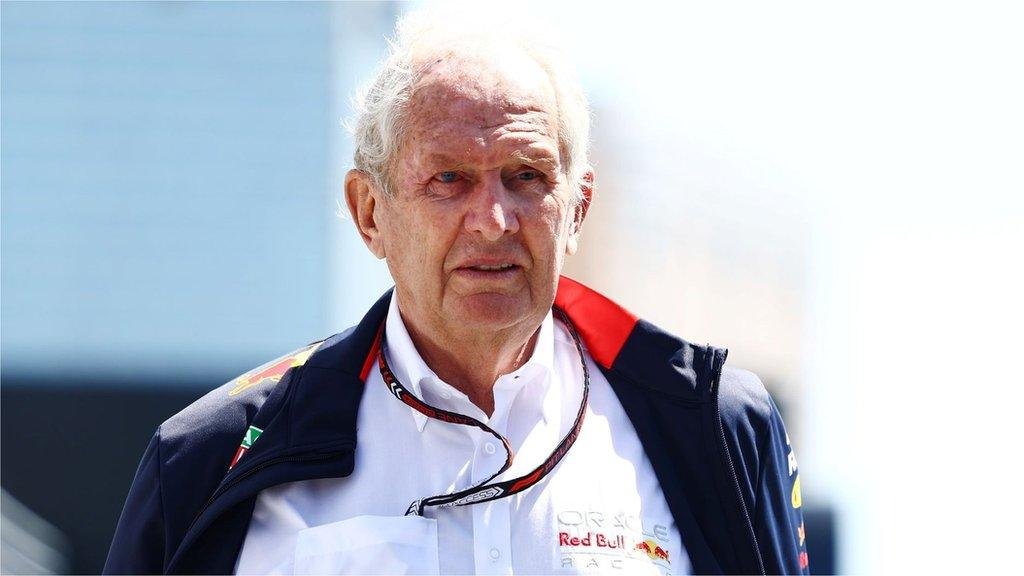
Introduction to helmut marko
When you talk about modern Formula 1 dominance, names like Max Verstappen and Sebastian Vettel immediately come to mind. But behind their rise stands a man who doesn’t always sit in the spotlight—Helmut Marko. Known for his sharp eye for talent, blunt personality, and unwavering commitment to excellence, Marko has become one of the most influential figures in Formula 1.
This article takes a deep dive into Helmut Marko’s life, career, controversies, and his undeniable role in shaping one of the most dominant teams in motorsport history—Red Bull Racing.
Early Life and Academic Background
Helmut Marko was born on April 27, 1943, in Graz, Austria, a city known for its rich culture and history. Unlike many racing figures who grew up in garages or racetracks, Marko’s early life was somewhat different. He pursued education seriously and later earned a doctorate in law, which is quite rare in the world of high-speed motorsport.
Growing up in post-war Austria, Marko developed a strong sense of discipline and resilience. These traits would later define his approach to racing and management. While his passion for motorsport began at a young age, he balanced it with academics—a combination that would prove valuable in his later executive role.
Interestingly, Marko’s intellectual background has always set him apart from other racing personalities. His analytical thinking and strategic mindset became key assets when evaluating drivers and making critical team decisions. In many ways, his legal training helmut marko helped him navigate the complex political and contractual landscape of Formula 1.
Racing Career: From Aspiring Driver to Le Mans Winner
Before becoming a powerful figure behind the scenes, Helmut Marko was a racing driver himself. He competed in Formula 1 during the early 1970s, driving for teams like BRM. However, his Formula 1 career was relatively short and did not bring him major success.
That said, his biggest achievement came outside Formula 1. In 1971, Marko won the legendary 24 Hours of Le Mans alongside his teammate Gijs van Lennep. This victory cemented his place in motorsport history and showcased his capability as a driver.
Unfortunately, Marko’s racing career came to an abrupt end in 1972 due to a horrific accident at the French Grand Prix. A stone struck his visor, blinding him in one eye. This tragic incident forced him to retire from racing prematurely.
While the accident could have ended his connection to motorsport entirely, Marko chose a different path. Instead of leaving the sport, he transitioned into management—a move that would ultimately define his legacy far more than his driving career ever could.
Transition to Management and Talent Development
After retiring, Helmut Marko didn’t waste time reinventing himself. He founded RSM Marko, a racing team focused on developing young talent. His passion for identifying and nurturing drivers became evident early on.
Marko’s approach to talent scouting is famously ruthless. He doesn’t just look for speed—he looks for mental toughness, consistency, and the ability to perform under pressure. This philosophy became the foundation of the Red Bull Junior Team, which he would later lead.
Through this program, Marko has been instrumental in shaping the careers of several top drivers. His eye for talent is often described as unmatched. While many criticized his harsh decisions, the results speak for themselves.
His management style is not for everyone. He is known for being brutally honest and quick to drop drivers who fail to meet expectations. Yet, this very approach has helped create a pipeline of elite talent for Red Bull Racing.
The Red Bull Era: Building a Dynasty
Helmut Marko’s association with Red Bull GmbH began through his close friendship with the company’s founder, Dietrich Mateschitz. When Red Bull entered Formula 1, Marko was entrusted with overseeing driver development and team strategy.
This decision proved to be a masterstroke. Under Marko’s guidance, Red Bull Racing transformed from a mid-field team into a dominant force. Alongside team principal Christian Horner, Marko played a crucial role in building a winning culture.
One of his most notable achievements was identifying and promoting Sebastian Vettel. Vettel went on to win four consecutive World Championships from 2010 to 2013, establishing Red Bull as a powerhouse in Formula 1.
Later, Marko repeated this success with Max Verstappen. Promoting Verstappen to Red Bull Racing at a young age was a bold move, but it paid off spectacularly. Verstappen has since become one of the most dominant drivers in the sport.
Talent Scouting Philosophy: Ruthless but Effective
Helmut Marko’s talent scouting methods are often described as unforgiving. Drivers in the Red Bull system know that performance is everything. There is little room for error, and underperformance can lead to immediate replacement.
This high-pressure environment has produced some of the best drivers in Formula 1, but it has also led to criticism. Many talented drivers have been dropped before reaching their full potential, raising questions about whether the system is too harsh.
However, Marko’s philosophy is simple: Formula 1 is the pinnacle of motorsport, and only the best should survive. In his view, pressure is not a burden—it’s a test. Those who can handle it deserve to be at the top.
Despite the criticism, the success of drivers like Vettel and Verstappen validates his approach. Marko’s ability to identify raw talent and turn it into championship-winning performance remains unparalleled.
Controversies and Public Image
Helmut Marko is no stranger to controversy. Known for his blunt comments and unapologetic demeanor, he has often found himself in the headlines for the wrong helmut marko reasons.
His outspoken nature has sometimes led to criticism from fans, media, and even within the Formula 1 community. Whether it’s his comments about drivers or his handling of team decisions, Marko rarely shies away from expressing his opinions.
While some see him as overly harsh, others view him as refreshingly honest in a sport often filled with political correctness. His willingness to speak his mind has made him a polarizing figure.
Despite the controversies, Marko’s influence within Red Bull remains strong. His track record of success ensures that his voice carries significant weight in team decisions.
Relationship with Drivers: Mentor or Taskmaster?
Helmut Marko’s relationship with drivers is complex. On one hand, he serves as a mentor, guiding young talents through the challenges of Formula 1. On the other hand, he is a strict taskmaster who demands excellence at all times.
Drivers who succeed under Marko often credit him for their helmut marko development. He provides opportunities that few others would, but he also expects results in return. This dynamic creates a high-stakes environment where only the strongest thrive.
Max Verstappen, for example, has often spoken about the trust Marko placed in him early in his career. That trust, combined with high expectations, helped shape Verstappen into a world champion.
At the same time, many drivers have struggled under Marko’s leadership. The constant pressure and fear of being replaced can be overwhelming, especially for younger drivers.
Strategic Mind and Influence in Formula 1
Beyond talent scouting, Helmut Marko plays a key role in Red Bull’s overall strategy. His understanding of the sport, combined with his analytical mindset, allows him to make crucial decisions that impact the team’s performance.
Marko is deeply involved in driver line-ups, race strategies, helmut marko and long-term planning. His influence extends beyond Red Bull Racing to its sister team, ensuring a consistent pipeline of talent.
In many ways, Marko acts as the bridge between the corporate side of Red Bull and the racing team. His ability to align business goals with sporting success has been instrumental in Red Bull’s dominance.
His strategic thinking is not just about winning races—it’s about building a sustainable system that continues to produce results year after year.
Legacy and Impact on Motorsport
Helmut Marko’s legacy in motorsport is undeniable. From his early days as a driver to his current role as a key figure in Red Bull Racing, he has left an indelible mark on the sport.
He has redefined how teams approach driver development. The Red Bull Junior Team has become a model for other teams looking to nurture young talent. While not everyone agrees with his methods, their effectiveness cannot be denied.
Marko’s impact goes beyond individual drivers. He has helped shape an era of Formula 1 defined by Red Bull’s success. His contributions have influenced not just his team, but the entire sport.
As Formula 1 continues to evolve, Marko’s role remains as গুরুত্বপূর্ণ as ever. His ability to adapt and stay ahead of the competition ensures that he will remain a key figure in the sport for years to come.
Conclusion:
Helmut Marko is not your typical motorsport figure. He is a strategist, a mentor, a critic, and above all, a winner. His journey from a racing driver to one of the most influential figures in Formula 1 is a testament to his resilience and vision.
Love him or hate him, there’s no denying his impact. Without Marko, Red Bull Racing might never have reached the heights it enjoys today. His ruthless pursuit of excellence has created a legacy that will be remembered for generations.