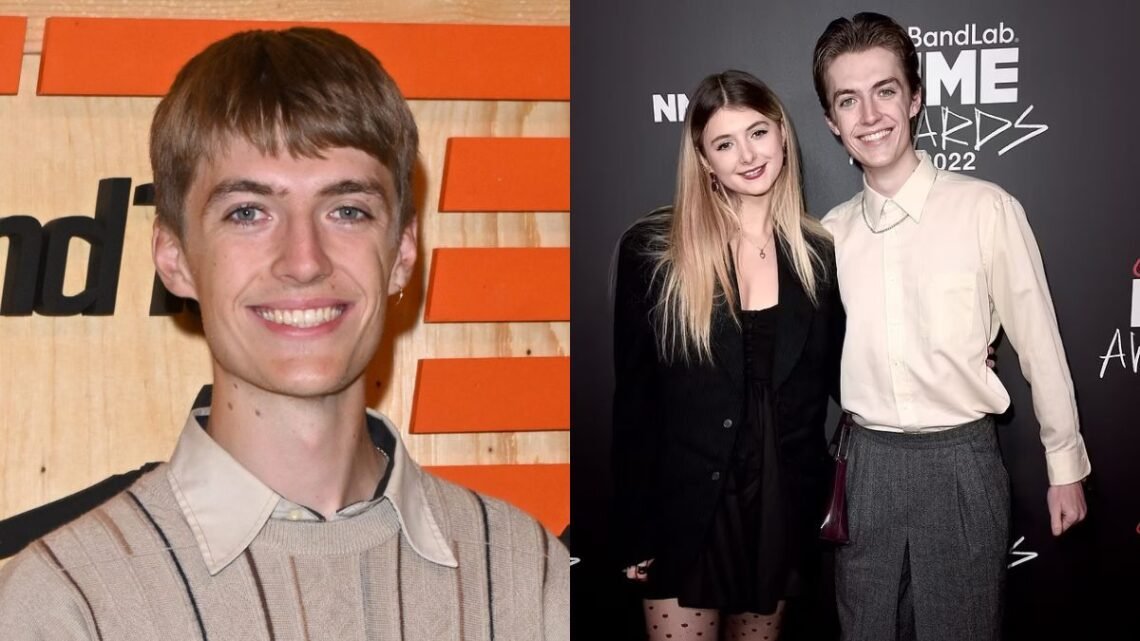
Introduction to francis bourgeois
If you had told someone a decade ago that a young man filming trains with childlike excitement would become one of the most recognizable faces on social media, they probably would have laughed. Yet that’s exactly what happened with Francis Bourgeois. In an internet culture often dominated by controversy, shock value, and carefully curated lifestyles, Francis broke through for the simplest reason imaginable: he genuinely loves trains.
And somehow, that pure enthusiasm turned into a global brand.
But reducing Francis Bourgeois to “the train guy from TikTok” misses the bigger story. His rise touches on authenticity, niche passions, internet psychology, and how modern fame can come from simply being unapologetically yourself. Let’s take a deep dive into who Francis Bourgeois really is, how he became famous, and why millions of people feel oddly comforted watching him cheer as a freight train thunders past.
Who Is Francis Bourgeois? The Man Behind the Goggles
Before the viral clips and brand collaborations, Francis Bourgeois was simply Luke Magnus Nicolson, a young man with a lifelong fascination for trains. Born in the United Kingdom, he grew up like many kids who develop niche interests early. While others moved on from childhood hobbies, his passion for railways never faded.
What makes Francis interesting isn’t just that he likes trains. It’s how deeply he likes them. We’re talking about memorizing models, tracking routes, recognizing engines by sound, and knowing exactly when and where a specific locomotive will pass. For him, trains aren’t background noise; they’re the main event.
Unlike many internet personalities who craft a character from scratch, Francis didn’t invent a persona out of thin air. The exaggerated facial expressions, the squeals of excitement, the goggles and GoPro setup—those grew organically out of how he actually experienced trainspotting. That authenticity is crucial. Viewers sense when something is staged. With Francis, the joy feels completely real.
Interestingly, his name “Francis Bourgeois” started as a playful online alias rather than his birth name. It has a slightly quirky, old-fashioned ring to it, which matches his eccentric charm. Over time, the pseudonym became inseparable from the personality. Now, most people know him exclusively by that name.
There’s also an endearing awkwardness to him that works in his favor. He’s not trying to be cool. He’s not chasing trends. He’s just excited about trains—and that’s precisely why people gravitate toward him.
The Rise on TikTok: From Hobby to Viral Fame
Francis Bourgeois’ journey into internet stardom didn’t start with a master plan. It began almost accidentally. Like many people during lockdown periods, he started filming short videos of his daily life and posting them online. His daily life just happened to involve chasing trains across the British countryside.
His early TikToks showed him crouched near tracks, wearing a chest-mounted GoPro, gasping with excitement as locomotives roared by. He’d narrate in breathless tones, identifying the engine and describing its route as if he were witnessing a rare wildlife sighting.
And strangely enough, it worked.
People began sharing the clips not to mock him, but because his enthusiasm was infectious. In a digital space filled with irony and sarcasm, Francis was refreshingly sincere. There was no wink to the camera, no “I know this is silly.” He meant every second of it.
The TikTok algorithm thrives on strong emotional reactions, and Francis delivered exactly that. His joy felt genuine, almost childlike. Watching him felt like reconnecting francis bourgeois with a simpler time in life when small things could make you ridiculously happy.
Within months, his follower count exploded into the millions. Videos regularly hit hundreds of thousands—sometimes millions—of views. Suddenly, brands, media outlets, and celebrities were paying attention to a trainspotter with a GoPro.
It’s one of those rare cases where the internet elevated someone not for controversy or spectacle, but for pure wholesomeness.
Why People Love Him: The Power of Authenticity
To really understand Francis Bourgeois’ success, you have to understand the psychology of social media fatigue. People are tired of perfection.
We’re used to influencers with flawless lighting, luxury vacations, and heavily edited lives. Everything feels curated, polished, and slightly fake. Francis is the opposite of all that.
His videos are messy in the best way. Wind blowing into the mic. Camera shaking. Mud on his shoes. Sudden bursts of laughter. It feels raw and unscripted, francis bourgeois because it is.
There’s also something deeply comforting about watching someone so unapologetically passionate. Most adults suppress their “nerdy” interests to fit in. Francis does the opposite. He leans into his obsession and invites everyone to join him.
That kind of authenticity is rare.
He also taps into nostalgia. Trainspotting feels almost quaint, like something from a different era. Watching him stand by the tracks with binoculars and excitement makes you think of simpler hobbies, long summer days, and childhood curiosity.
And perhaps most importantly, he radiates positivity. There’s no drama, no gossip, no negativity. Just trains and happiness. In today’s online climate, that’s almost revolutionary.
The Unique Style and Persona of Francis Bourgeois
Part of Francis’ charm lies in his instantly recognizable look and filming style.
The goggles, the chest-mounted camera, the slightly oversized jacket—these details give him a signature aesthetic. You can spot a Francis Bourgeois video in half a second without even seeing his face clearly.
The chest camera is especially clever. It puts viewers directly into his point of view. When he gasps and leans forward as a train approaches, you feel like you’re right there with him. It creates immersion that typical phone filming just doesn’t achieve.
His commentary style is equally distinctive. He narrates trains with the same excitement a sports commentator might use during a championship game. Something that would normally be mundane suddenly feels epic.
“Here she comes! Class 66 freightliner! Listen to that engine!”
It’s dramatic, enthusiastic, and oddly captivating.
What’s fascinating is that he never feels like he’s performing for the camera. It feels like the camera just happens to be present while he geeks out. That’s a subtle difference, but it changes everything.
Collaborations, Brands, and Mainstream Recognition
As Francis’ popularity grew, brands quickly realized he wasn’t just a viral novelty—he was a marketable personality.
He began collaborating with major companies, including fashion brands like Gucci and The North Face. Seeing a trainspotter become a luxury fashion ambassador might sound strange, but it worked because he didn’t change who he was. He simply brought his train-loving energy into those spaces.
He also started appearing with celebrities and musicians. These collaborations often had a humorous twist, with famous people joining him on trainspotting adventures. The contrast between high-profile celebrities and Francis’ wholesome enthusiasm made for entertaining content.
But what’s impressive is that he never felt “corporate.” Many influencers lose their charm once sponsorships pile up. Francis managed to keep his personality intact, which preserved audience trust.
Mainstream media outlets covered him too, framing him as a symbol of the new internet era—where niche passions can turn into global fame overnight.
Challenges and Criticism Along the Way
Of course, no internet story is completely smooth.
Some viewers initially questioned whether his persona was real or exaggerated. In an age where irony dominates, it’s hard for people to believe someone could be that enthusiastic without acting.
Others mocked trainspotting itself, treating it as childish or strange. But over time, those criticisms faded as people realized Francis wasn’t pretending.
There’s also the pressure of maintaining viral fame. When your hobby becomes your job, it can be tricky. Filming constantly, meeting brand obligations, and being recognized in public might change how you experience something you once did purely for fun.
Yet Francis seems to navigate this carefully. He still posts simple train videos, not just polished collaborations. That balance helps him stay grounded.
What Francis Bourgeois Represents in Internet Culture
Francis isn’t just a content creator. He represents a shift.
He proves you don’t need controversy, luxury, or manufactured drama to succeed online. You can build an audience simply by loving something deeply and sharing that joy honestly.
He also normalizes “uncool” hobbies. Trainspotting, birdwatching, stamp collecting—these interests used to be easy targets for jokes. Now, people see that passion itself is attractive.
There’s a bigger lesson here: authenticity scales.
In a digital world saturated with sameness, being genuinely yourself is actually the most powerful differentiator.
Francis shows that leaning into your quirks isn’t a weakness. It’s a strength.
The Future of Francis Bourgeois
So what comes next?
It’s unlikely Francis will suddenly Francis Bourgeois pivot into something completely different. His brand is too tightly connected to trains and wholesome enthusiasm. But that’s not a limitation—it’s a foundation.
He could expand into documentaries, travel content, railway history series, or even educational material about transport engineering. His audience would probably follow him anywhere, as long as the sincerity remains.
What seems certain is that he’ll continue doing what he’s always done: standing by the tracks, waiting for the next engine, and smiling like it’s the best moment of his life.
And honestly, that consistency is part of the appeal.
Conclusion:
At first glance, Francis Bourgeois’ story might seem small. A guy films trains. The internet likes it. The end.
But look closer, and it’s surprisingly meaningful.
His success reminds us that passion doesn’t have to be impressive to be valuable. You don’t need to save the world or build a billion-dollar startup. Sometimes it’s enough to love something deeply and share that love openly.