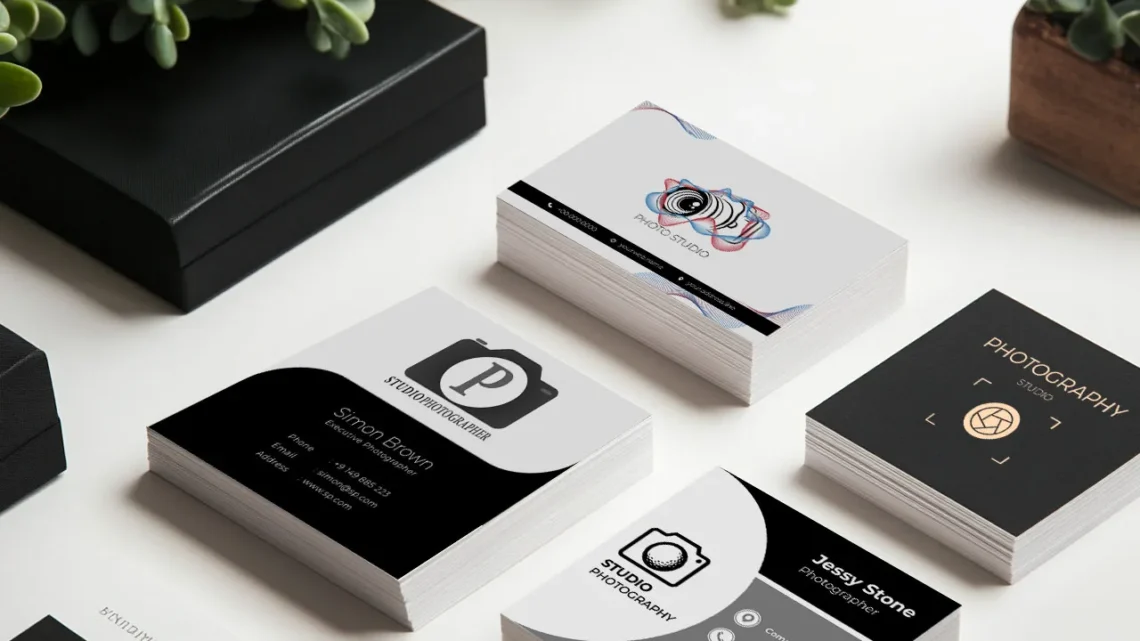
Introduction to photography business cards
Photography is a visual business. People hire you because they trust your eye, your style, and your professionalism. But here’s something many photographers underestimate: before clients ever book you, they often meet you through something much smaller and simpler than your portfolio or website.
They meet you through your business card.
Photography business cards might seem old-school in a digital world, but they still carry surprising power. A well-designed card can spark curiosity, create trust, and make someone remember you weeks after a wedding fair, networking event, or casual conversation. A poorly designed one? It gets tossed in the trash before you even walk away.
This guide breaks down everything you need to know about photography business cards — from design and materials to messaging and strategy — so you can create cards that don’t just look pretty, but actually bring in clients.
Why Photography Business Cards Still Matter in a Digital World
It’s easy to assume that business photography business cards cards are outdated. After all, we have Instagram, online portfolios, and QR codes. But here’s the reality: physical touchpoints still carry weight, especially in creative industries like photography.
When you hand someone a card, you’re creating a real, tangible connection. It feels more personal than saying, “Just follow me on Instagram.” That small piece of paper (or metal, or plastic) becomes something they can hold onto. It sits in their wallet, on their desk, or pinned to a board. Your name stays visible.
There’s also a psychological factor at play. Physical objects feel more trustworthy. A professional-looking business card signals that you’re serious about your craft. It suggests stability and professionalism, which matters a lot when someone is choosing who will capture their wedding, event, or brand.
Another advantage is spontaneity. You won’t always have time to open your phone and show your website. Maybe you’re at a café, a family gathering, or a random networking event. A quick handoff of a card is fast and effortless. No internet required, no searching, no awkward delays.
Finally, business cards act as mini marketing tools. Long after a conversation ends, your card continues working for you. That’s powerful for something that costs just a few cents per piece.
What Makes a Great Photography Business Card
Not all business cards are equal. Some look generic and forgettable, while others immediately communicate style and confidence. The difference usually comes down to intentional design choices.
A great photography business card starts with clarity. Your name, brand, and contact details should be easy to read at a glance. Overcrowded photography business cards designs with too many fonts or tiny text only confuse people. Simplicity almost always wins.
It should also reflect your photographic style. If you’re a luxury wedding photographer, your card should feel elegant and refined. If you shoot street or documentary photography, a bold and modern look might fit better. Your card is an extension of your brand personality.
Quality matters more than people think. Thin, flimsy cards feel cheap and forgettable. Thick cardstock or textured materials instantly feel premium. That tactile difference subtly tells clients that you value quality — which they’ll associate with your photography too.
Most importantly, a great card is memorable. Maybe it’s a unique layout, an interesting finish, or a smart use of imagery. Whatever it is, it should make someone pause for just a second longer than usual. That pause is what makes you stick in their mind.
Essential Information to Include on Photography Business Cards
Many photographers struggle with what to actually put on their card. The temptation is to include everything — multiple phone numbers, photography business cards every social platform, and long descriptions. But less is more.
Start with the basics: your name or brand name. If you operate under a studio name, make sure it’s prominent. If you’re building a personal brand, your own name might be the hero.
Next comes contact information. Typically this includes your phone number, email address, and website. Your website is especially important because it’s where clients can see your full portfolio. Make it short and easy to type.
Social media can be helpful, but be selective. Including one or two strong platforms (like Instagram or Pinterest) is better than listing five. Choose the ones where your work shines the most.
Finally, consider a short descriptor like “Wedding Photographer,” “Commercial & Brand Photography,” or “Portrait Specialist.” This instantly tells people what you do without them having to guess. Clarity saves you opportunities.
Designing Photography Business Cards That Reflect Your Style
Design is where photographers have a natural advantage. You already understand composition, color, and balance, so apply those same principles to your card.
Start with color. Your brand colors should guide the design. Neutral tones often feel timeless and professional, while bold colors can feel creative and energetic. Choose something that matches your overall aesthetic.
Typography is just as important. Avoid overly photography business cards decorative fonts that are hard to read. Stick to clean, professional typefaces that complement your style. One or two fonts are usually enough. More than that starts to feel messy.
Layout matters too. Give elements room to breathe. White space is your friend. A crowded card looks amateurish, while a clean layout feels intentional and modern.
Don’t forget the back of the card. Many photographers leave it blank, which is a missed opportunity. You can place a photo sample, logo, or tagline there. Using both sides helps your card stand out without increasing size or cost.
Using Photos on Your Business Card: Yes or No?
This is one of the most common questions photographers ask. Should you put a photo on your business card?
The answer depends on execution. A poorly printed or cluttered image can cheapen the card. But a carefully selected, high-quality photo can instantly showcase your style and set you apart.
If you decide to use a photo, choose one that represents your niche clearly. Wedding photographers might use a romantic couple shot, while product photographers could showcase a crisp studio image. Make sure it’s visually simple and not too busy.
Another approach is subtlety. Instead of covering the entire card with a photo, consider using a faded background or a small image accent. This keeps things professional while still hinting at your work.
Remember that printing quality is crucial. Low-resolution or poorly color-matched images will ruin the effect. Always use high-resolution files and a reputable printer.
Choosing Materials and Finishes for a Premium Feel
Material choice can elevate your card from “nice” to “wow.” Clients often judge quality based on touch before they even look at the design.
Thick cardstock is a safe and professional option. photography business cards Heavier weights feel more substantial and less disposable. It’s a small upgrade that makes a big difference.
Textured finishes like linen or cotton add sophistication. They give the card a tactile element that feels crafted rather than mass-produced. This works especially well for fine art or wedding photographers.
For something more unique, you might explore specialty options like matte lamination, spot UV coating, or even metal or plastic cards. These are more expensive, but they create a strong first impression, especially in luxury markets.
Just be careful not to overdo it. The goal is elegance, not gimmicks. A clean, well-made card often feels more professional than something overly flashy.
Smart Features That Modern Photography Business Cards Can Include
Business cards have evolved beyond just paper and ink. Adding modern features can make them more functional and memorable.
QR codes are increasingly popular. They let clients instantly access your portfolio or booking page with a quick scan. This bridges the gap between offline and online marketing.
You might also include a small discount code or special offer on the back. For example, “10% off your first session.” This gives people a reason to take action rather than just saving the card.
Some photographers experiment with mini-portfolio cards that fold out or include multiple images. While creative, make sure it’s still practical. If it’s too bulky, people might not keep it.
Ultimately, any feature should serve a purpose. If it helps clients connect with you faster or remember you better, it’s worth considering.
Common Mistakes to Avoid
Even talented photographers sometimes make simple mistakes photography business cards photography business cards with their cards. Avoiding these can save you lost opportunities.
One common mistake is clutter. Trying to squeeze too much information onto a tiny space makes everything harder to read. Prioritize what matters most.
Another issue is poor printing quality. Cheap printing can result in dull colors and flimsy paper. Since your card represents your brand, investing a little more is worth it.
Inconsistent branding is another problem. If your card looks totally different from your website or social media, clients may feel confused. Keep everything cohesive.
Finally, don’t forget to actually carry them. The best business card is useless if photography business cards it’s sitting at home while you’re out meeting potential clients.
How to Use Photography Business Cards Strategically
Designing a great card is only photography business cards half the battle. You also need to use it effectively.
Hand them out intentionally, not randomly. Give them to people who show genuine interest or could realistically become clients. Quality connections matter more than quantity.
Leave them in strategic places like local cafés, bridal shops, or event venues — but always ask permission first. Partnerships with local businesses can generate consistent leads.
Include them in every package you deliver. When clients share your work with friends, your card might travel with it. Referrals become easier when your contact info is right there.
Think of business cards as part of your overall marketing ecosystem. They support your website, social media, and word-of-mouth efforts rather than replacing them.
Conclusion:
Photography business cards may seem small, but their impact can be huge. They’re often the first physical representation of your brand that someone experiences. That moment matters more than you might think.
A thoughtfully designed card communicates professionalism, style, and confidence. It shows that you care about details — something clients absolutely want in a photographer. And when done right, it quietly markets your services long after you’ve handed it out.
So don’t treat your business card as an afterthought. Treat it like a tiny piece of your portfolio. Invest time in the design, choose quality materials, and use it strategically.