Introduction to customer engagement software
In today’s hyper-connected world, businesses don’t just compete on price or product quality—they compete on experience. Customers expect personalized communication, instant support, and meaningful interactions across multiple channels. That’s where customer engagement software comes in.
If you’re serious about building long-term relationships, increasing retention, and driving sustainable growth, understanding customer engagement software isn’t optional—it’s essential.
In this comprehensive guide, we’ll explore what customer customer engagement software engagement software is, why it matters, how it works, key features to look for, implementation strategies, common mistakes, and how to measure success. Let’s dive in.
What Is Customer Engagement Software?
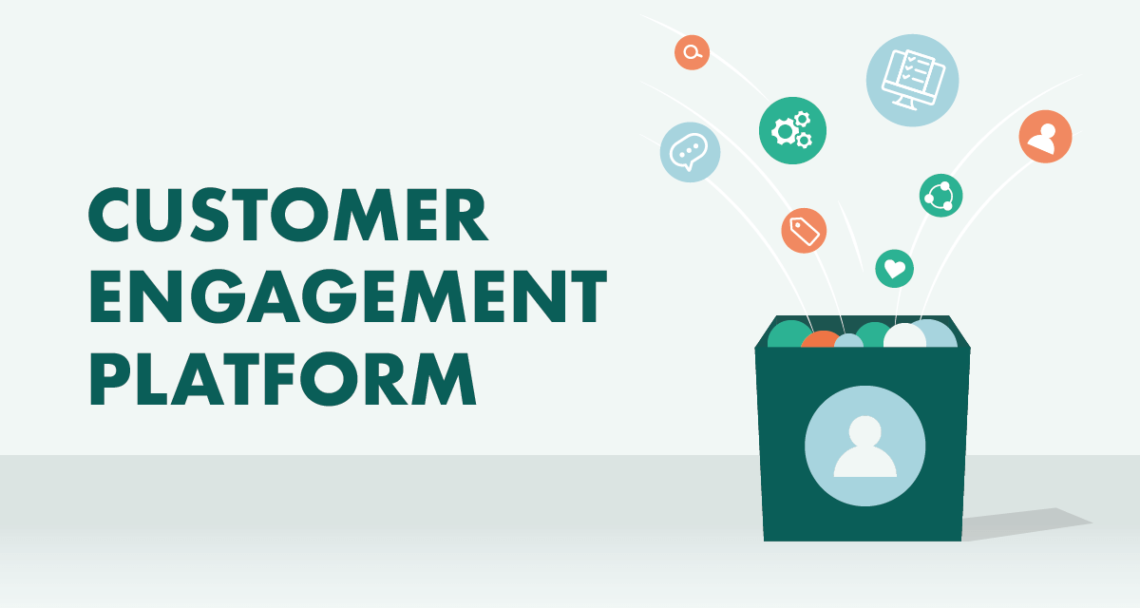
Customer engagement software is a suite of tools designed to help businesses interact with customers across multiple touchpoints—email, chat, social media, mobile apps, websites, SMS, and more—in a consistent and personalized way.
At its core, this software centralizes communication and data. Instead of managing separate tools for email marketing, customer support, push notifications, and analytics, engagement platforms unify everything into one system. This creates a seamless experience for both the business and the customer.
But it’s more than just communication tools. Modern customer engagement software tracks behavior, analyzes interactions, segments audiences, and automates workflows. It allows businesses to respond intelligently to customer actions in real time. For example, if a customer abandons their cart, the system can automatically send a reminder email or push notification.
What truly sets customer engagement software apart is its focus on relationship-building rather than just transactions. It’s about creating meaningful touchpoints that build trust, loyalty, and long-term value.
Why Customer Engagement Software Matters More Than Ever
Customer expectations have evolved dramatically. Today’s consumers demand personalized experiences, quick responses, and consistent interactions across every channel they use. If your business cannot deliver that, someone else will.
First, customer engagement software improves retention. Acquiring new customers is expensive. Keeping existing ones is far more cost-effective. By nurturing relationships through personalized messaging and timely support, businesses can significantly reduce churn rates.
Second, it enhances customer satisfaction. When customers feel heard and understood, they are more likely to stay loyal. Engagement software ensures that no message goes unanswered and no opportunity for connection is missed. Automated workflows can ensure quick follow-ups, while data-driven personalization makes interactions feel relevant rather than generic.
Third, it drives revenue growth. Engaged customers spend more, buy more frequently, and are more likely to recommend your brand. Engagement tools can identify upselling and cross-selling opportunities based on customer behavior, making marketing efforts smarter and more efficient.
In short, customer engagement software is not just a support tool—it’s a growth engine.
Core Features of Customer Engagement Software
To understand the value of customer engagement software, you need to know what it typically includes. While features vary across platforms, most robust solutions offer a combination of the following:
1. Omnichannel Communication
Modern customers interact through multiple channels—email, SMS, social media, chat, and apps. Engagement software consolidates these into a unified dashboard. This ensures consistent messaging and eliminates communication silos.
Instead of having separate teams managing different tools, everything becomes centralized. Customer history is visible in one place, so agents and marketers have full context before responding.
This consistency significantly improves the customer customer engagement software experience. No more repeating information to different representatives or receiving conflicting messages from different channels.
2. Customer Data Management
Engagement software collects and organizes customer data from multiple sources. This includes demographics, purchase history, browsing behavior, support interactions, and more.
With this data, businesses can create detailed customer profiles. These profiles allow for precise segmentation and personalization. Instead of blasting the same message to everyone, you can tailor content to specific interests and behaviors.
Data-driven engagement is what separates modern businesses from outdated ones.
3. Automation and Workflow Management
Automation is where engagement software truly customer engagement software shines. Businesses can create workflows triggered by customer actions. For example:
- Welcome emails after signup
- Cart abandonment reminders
- Birthday promotions
- Post-purchase follow-ups
Automation ensures consistent engagement without manual effort. It also allows businesses to scale communication without increasing workload.
4. Analytics and Reporting
What gets measured gets improved. Engagement platforms provide detailed analytics on open rates, click-through rates, response times, conversion rates, and more.
These insights help businesses refine strategies, customer engagement software identify what works, and eliminate what doesn’t. Without analytics, engagement becomes guesswork.
How Customer Engagement Software Improves Customer Experience
Customer experience is the new competitive advantage. Engagement software enhances this experience in several powerful ways.
First, it enables personalization at scale. Customers expect brands to understand their preferences. With behavioral tracking and segmentation, businesses can send highly targeted messages. Instead of generic newsletters, customers receive content tailored to their interests.
Second, it improves response times. Automated chatbots, AI-driven routing, and centralized dashboards ensure faster support. Customers no longer wait days for a response. Speed builds trust.
Third, it creates continuity. Customers can switch between channels—starting a conversation via chat and continuing through email—without losing context. Engagement software preserves interaction history, making conversations smooth and frustration-free.
Ultimately, better experiences lead to stronger relationships.
Customer Engagement Software vs. CRM: What’s the Difference?
Many people confuse customer engagement software with CRM (Customer Relationship Management) systems. While they overlap, they serve different primary purposes.
A CRM focuses on managing customer data and sales pipelines. It helps sales teams track leads, deals, and contacts. Its main goal is to support revenue generation through structured sales processes.
Customer engagement software, on the other hand, focuses on interaction and communication across the entire customer lifecycle—not just during the sales phase. It includes marketing automation, support channels, real-time messaging, and behavioral triggers.
In practice, many businesses integrate both systems. The CRM manages customer records and deal stages, while engagement software handles communication, personalization, and automation. Together, they create a complete ecosystem for customer relationship management.
Key Benefits of Implementing Customer Engagement Software
Let’s break down the tangible benefits businesses experience after implementing engagement tools.
Increased Customer Retention
Engaged customers are loyal customers. With proactive communication and personalized interactions, businesses can anticipate needs before problems arise.
For example, a subscription-based company can identify users who have not logged in recently and send re-engagement campaigns. This proactive approach customer engagement software reduces churn significantly.
Improved Operational Efficiency
Automation reduces manual tasks. Instead of sending individual follow-up emails or managing support tickets separately, workflows handle routine interactions automatically.
This allows teams to focus on high-value tasks—strategy, creativity, and complex problem-solving.
Stronger Brand Loyalty
Consistent, meaningful interactions create emotional connections. When customers feel valued, they become brand advocates. Word-of-mouth referrals often stem from positive engagement experiences.
Engagement software ensures those positive experiences happen consistently.
Choosing the Right Customer Engagement Software
Not all platforms are created equal. Selecting the right solution requires careful consideration.
First, evaluate your business needs. Are you focused on marketing automation, customer support, or omnichannel messaging? Define your priorities before comparing tools.
Second, consider scalability. Your engagement software should grow with your business. Look for flexible pricing models and advanced features that you can activate as needed.
Third, assess integration capabilities. The software should integrate seamlessly with your existing systems—CRM, e-commerce platform, analytics tools, and payment systems. Poor integration can create data silos and inefficiencies.
Finally, prioritize usability. A powerful system is useless if your team cannot navigate it easily. Look for intuitive interfaces and strong customer support from customer engagement software the vendor.
Implementation Best Practices
Implementing customer engagement software requires strategic planning. Simply installing a tool won’t deliver results.
Start with clear objectives. Are you aiming to improve retention by 15%? Increase email open rates? Reduce support response times? Define measurable goals.
Next, map the customer journey. Identify key touchpoints—awareness, consideration, purchase, onboarding, retention. Determine where engagement software can enhance each stage.
Then, train your team. Adoption is critical. Provide thorough training and encourage collaboration across departments. Engagement should not be siloed between marketing and support teams.
Finally, test and optimize. Launch campaigns gradually, analyze results, and refine workflows continuously.
Common Mistakes to Avoid
Even powerful software can fail if misused. Here are customer engagement software common pitfalls:
Over-Automation
Automation is powerful, but too much can feel robotic. Customers still value human interaction. Balance automated messages with personalized, human responses.
Ignoring Data Quality
Poor data leads to poor personalization. Regularly clean and update your customer database to ensure accuracy.
Lack of Strategy
Tools alone do not guarantee success. Without customer engagement software a clear engagement strategy, even the best software becomes underutilized.
Avoid these mistakes, and you’ll maximize your return on investment.
Measuring the Success of Customer Engagement Software
To determine effectiveness, track relevant metrics:
- Customer retention rate
- Net Promoter Score (NPS)
- Customer lifetime value (CLV)
- Response time
- Engagement rates (opens, clicks, replies)
- Conversion rates
Analyze trends over time. Improvements in retention and lifetime value often signal successful engagement strategies.
Remember, engagement is a long-term investment. Results compound over time.
The Future of Customer Engagement Software
The future of customer engagement software is driven by artificial intelligence and predictive analytics.
AI-powered systems can analyze massive datasets to predict customer behavior. Instead of reacting to actions, businesses can anticipate needs and deliver proactive experiences.
Conversational AI and advanced chatbots are also evolving. These tools can handle complex queries while maintaining a natural tone, improving support efficiency.
Additionally, hyper-personalization will become standard. Customers will expect brands to understand their preferences in real time.
Businesses that embrace these innovations will stay ahead of the competition.
Conclusion:
Absolutely.
Customer engagement software is no longer a luxury—it’s a necessity in the modern business landscape. It empowers companies to communicate smarter, personalize at scale, automate efficiently, and build lasting relationships.
When implemented strategically, it boosts retention, increases revenue, enhances satisfaction, and strengthens brand loyalty.
If your goal is long-term growth and meaningful customer relationships, investing in customer engagement software is one of the smartest decisions you can make.