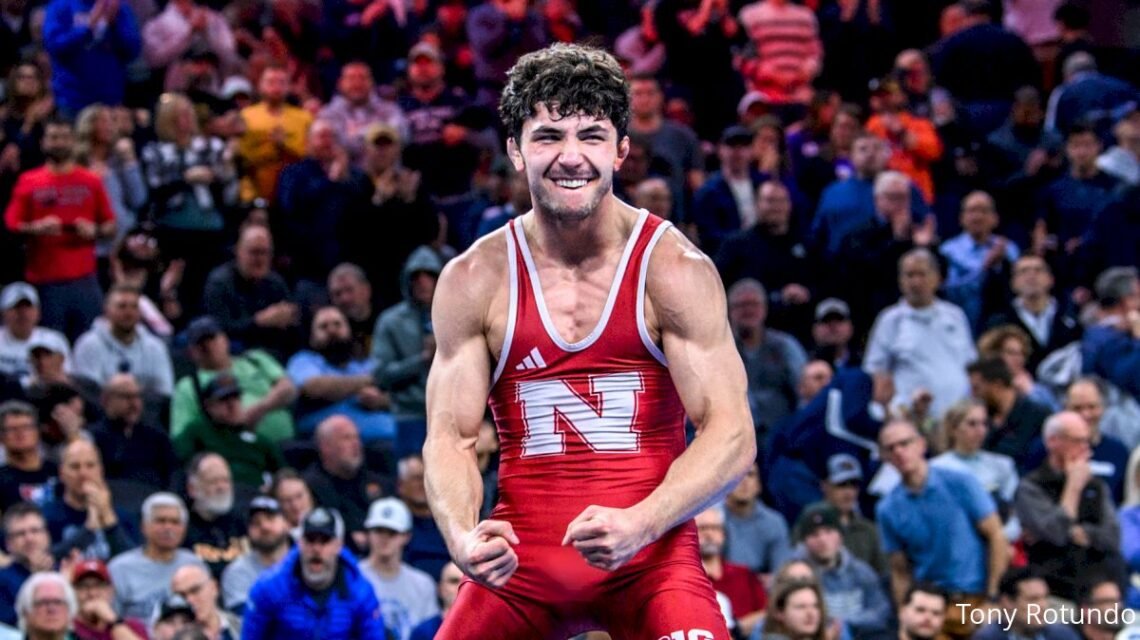
Introduction to NCAA Wrestling
NCAA wrestling is one of the most intense and tradition-rich sports in American college athletics. Governed by the National Collegiate Athletic Association (NCAA), this form of wrestling represents the highest level of amateur wrestling competition in the United States. Every year, hundreds of college athletes from across the country compete in dual meets, conference tournaments, and ultimately the prestigious NCAA Division I Wrestling Championships. For fans of grappling sports, NCAA wrestling is a showcase of elite technique, incredible conditioning, and relentless mental toughness.
Unlike many other collegiate sports, wrestling requires a unique combination of individual excellence and team contribution. Each wrestler competes in a specific weight class, and every match contributes points toward the team’s total score. This dynamic creates a fascinating blend of individual glory and team strategy, where every takedown, escape, or pin can make a difference in the standings.
Over the decades, NCAA wrestling has become a breeding ground for world-class athletes. Many Olympic champions, world medalists, and professional mixed martial artists began their journey on the college mats. Wrestlers who dominate the NCAA circuit often go on to represent the United States on the international stage, making college wrestling a crucial part of the American wrestling pipeline.
The History and Evolution of NCAA Wrestling
The story of NCAA wrestling dates back to the early 20th century, when collegiate athletic programs began formalizing wrestling competitions. The first official national championship tournament was held in 1928 under the guidance of the National Collegiate Athletic Association. That event laid the foundation for what would eventually become one of the most competitive college sports championships in the United States.
In its early years, the sport was dominated by a handful of schools with strong wrestling traditions. Programs from the Midwest and Northeast quickly established themselves as powerhouses. Schools such as University of Iowa, Pennsylvania State University, and Oklahoma State University built legendary reputations thanks to their consistent success at national tournaments.
As the sport evolved, NCAA wrestling adopted standardized weight classes, scoring systems, and match formats. These changes ensured fairness and helped grow the sport’s popularity across the country. The addition of television coverage and digital streaming platforms also played a major role in bringing the sport to a wider audience.
Today, NCAA wrestling continues to grow. With improved training facilities, advanced sports science, and larger fan communities, college wrestling has entered a modern era while still honoring its deep traditions.
How NCAA Wrestling Works: Structure and Divisions
NCAA wrestling is divided into three main competitive divisions: Division I, Division II, and Division III. Each division represents different levels of school size, funding, and athletic scholarship opportunities. Division I is the most competitive level and typically features the largest universities and strongest programs.
Division I wrestling receives the most media attention because of its high-level competition and nationally televised championships. Many of the sport’s biggest stars compete in Division I programs, and the path to becoming a national champion at this level is incredibly difficult.
Division II and Division III also offer excellent wrestling competition. While these divisions may not receive the same level of publicity as Division I, they still produce highly skilled athletes and competitive tournaments. Many wrestlers choose these divisions for the balance between academics and athletics.
Each division holds its own national championship tournament, allowing athletes from every level to compete for national titles. This multi-tiered system ncaa wrestling ensures that wrestling opportunities remain accessible to a wide range of student-athletes.
Weight Classes and Match Rules
One of the defining features of NCAA wrestling is its weight class system. Wrestlers compete in specific weight categories to ensure fairness and balanced competition. In Division I, there are ten official weight classes ranging from 125 pounds to heavyweight.
Each match typically consists of three periods. The first period lasts three minutes, while the second and third periods last two minutes each. During these periods, wrestlers attempt to score points through various techniques such as takedowns, escapes, reversals, and near falls.
Scoring in NCAA wrestling is highly technical. A takedown earns two points, while near-fall points can range from two to four depending on how long a wrestler holds their opponent in a dangerous position. Pins, also known as falls, immediately end the match and award maximum team points.
The rules emphasize both offensive wrestling and defensive skill. Wrestlers must demonstrate control, agility, and tactical awareness throughout the match. These elements make NCAA wrestling one of the most strategic combat sports in the world.
Training and Preparation for College Wrestlers
Training for NCAA wrestling is extremely demanding. College wrestlers often train multiple times a day, combining intense wrestling drills with strength conditioning, cardio workouts, and mental preparation.
A typical training program includes technique sessions, live wrestling matches, weight training, and conditioning exercises such as sprints and circuit workouts. Wrestlers must maintain peak physical condition while staying within their weight class, which requires careful nutrition and discipline.
Mental toughness is equally important. Wrestling matches are physically exhausting and often come down to small technical details. Athletes must stay focused, adapt to their opponent’s strategy, and push through fatigue.
Many NCAA wrestling programs also emphasize academic success. Student-athletes are expected to maintain good grades while balancing rigorous training schedules. This dual commitment to academics and athletics is a defining feature of collegiate wrestling culture
Legendary NCAA Wrestling Programs
Several universities have built legendary reputations in NCAA wrestling. These programs have produced multiple national champions and consistently rank among the top teams in the country.
One of the most famous programs belongs to the University of Iowa. Known for its aggressive wrestling style and passionate fan base, Iowa has won numerous national titles and produced many All-American wrestlers.
Another dominant program is Pennsylvania State University, which has become a modern powerhouse under legendary coach Cael Sanderson. Penn State’s dominance in recent NCAA championships has reshaped the competitive landscape of college wrestling.
Similarly, Oklahoma State University holds the record for the most NCAA wrestling team titles in history. The program’s tradition of excellence dates back nearly a century and continues to influence the sport today.
These powerhouse programs attract top recruits from ncaa wrestling across the country, creating intense rivalries and unforgettable championship battles.
Famous NCAA Wrestlers Who Became Legends
Over the years, NCAA wrestling has produced some of the greatest wrestlers in the world. Many athletes who dominate college wrestling go on to achieve international success.
One of the most iconic figures in NCAA wrestling history is Dan Gable. Gable lost only one match during his college career and later became one of the most successful wrestling coaches in history. His influence on the sport is still felt today.
Another legendary figure is Cael Sanderson, who achieved an astonishing 159–0 record during his college career at Iowa State University. Sanderson remains the only NCAA Division I wrestler to finish his career undefeated.
More recently, stars such as Jordan Burroughs and Kyle Snyder have used their NCAA success as a springboard to Olympic and world championship titles. Their achievements highlight the strength of the collegiate wrestling system.
These athletes inspire the next generation of wrestlers and demonstrate the incredible level of talent within NCAA competition.
The NCAA Wrestling Championships
The highlight of every college wrestling season is the NCAA Division I Wrestling Championships. This annual tournament brings together the best wrestlers from across the country to compete for individual and team national titles.
The tournament features a double-elimination format, ncaa wrestling meaning wrestlers still have a chance to compete for placement even after a loss. This structure creates intense battles and dramatic comebacks throughout the event.
Thousands of fans attend the championships each year, and millions watch online or on television. The atmosphere is electric, with passionate supporters cheering for their schools and favorite wrestlers.
Winning an NCAA national title is considered one of the greatest achievements in amateur wrestling. For many athletes, it represents years of hard work, sacrifice, and dedication finally paying off.
The Impact of NCAA Wrestling on International Competition
NCAA wrestling plays a critical role in the development of elite wrestlers for international competition. Many members of the United States Olympic and World Championship teams began their careers as college wrestlers.
The technical skills and competitive experience gained in NCAA matches help athletes transition to freestyle and Greco-Roman wrestling at the international level. The intense competition prepares them for the pressure of global tournaments.
Organizations such as USA Wrestling often work closely with collegiate programs to identify and develop future Olympic talent. This partnership ensures that American wrestlers remain competitive on the world stage.
Because of this strong development system, the United States consistently produces world-class wrestlers who succeed at the highest levels of international competition.
The Future of NCAA Wrestling
The future of NCAA wrestling looks promising. Advances in training technology, increased media coverage, and growing youth participation are helping the sport reach new audiences.
Digital platforms and streaming services have made it easier than ever for fans to watch matches and follow their favorite wrestlers. Social media has also played a role in promoting the sport and highlighting athletes’ personalities and achievements.
At the grassroots level, youth wrestling programs continue to expand across the United States. Many young athletes dream of one day competing in the NCAA championships, fueling the next generation of collegiate wrestlers.
As the sport evolves, NCAA wrestling will likely continue to grow in popularity while maintaining its reputation as one of the toughest and most respected college sports.
Conclusion
NCAA wrestling stands as one of the most demanding and rewarding sports in collegiate athletics. From its early beginnings in the 1920s to its modern-day championship spectacles, the sport has built a legacy of discipline, perseverance, and excellence.
Athletes who compete under the banner of the National Collegiate Athletic Association push their physical and mental limits every time they step onto the mat. Whether they compete for individual glory or team pride, these wrestlers embody the spirit of competition.
The influence of NCAA wrestling extends far beyond college campuses. It shapes the future of international wrestling, inspires young athletes, and continues to captivate fans with its intensity and skill.