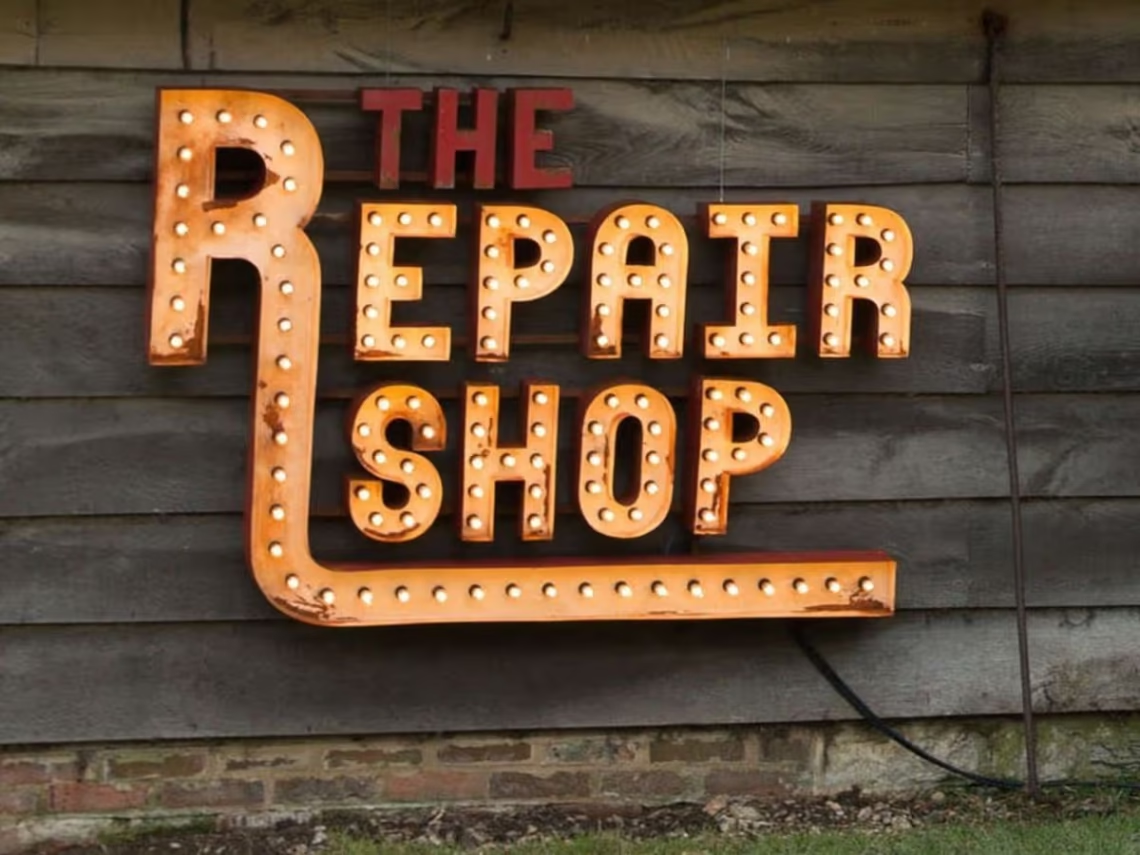
Introduction to the repair shop
In a world where most things are designed to be replaced rather than repaired, The Repair Shop offers something refreshingly different. The beloved television series brings together skilled artisans who dedicate their time to restoring cherished objects that hold deep personal and historical significance. What makes the show truly special is not just the craftsmanship involved, but the emotional stories behind each item.
Since its debut on BBC, the program has captured the hearts of viewers across the globe. Hosted by furniture restorer Jay Blades, the series highlights the beauty of restoration while honoring the memories connected to treasured belongings. From antique clocks to worn-out teddy bears, every episode showcases the power of skilled hands and compassionate storytelling.
This article explores the origins, craftsmanship, emotional impact, and cultural significance of The Repair Shop, explaining why the show has become such a cherished part of modern television.
The Concept Behind The Repair Shop
At its core, The Repair Shop revolves around a beautifully simple idea: repairing treasured items that hold sentimental value. People bring objects that may appear broken, worn, or beyond repair, but to them, these items represent memories of loved ones, important life moments, or family heritage. The artisans then use their expertise to restore these pieces while preserving their original character.
Unlike many modern reality television programs that thrive on drama or competition, The Repair Shop focuses on quiet craftsmanship and meaningful human stories. The show’s format allows viewers to see every stage of the restoration process, from the initial inspection of the item to the final emotional reveal when the owner sees it restored.
The program takes place in a picturesque barn workshop where experts in different trades collaborate. These specialists include furniture restorers, clockmakers, ceramics experts, metalworkers, leather artisans, and textile conservators. Each brings a unique set of skills that allows them to tackle a wide variety of restoration challenges.
The beauty of the concept lies in its authenticity. There is no artificial tension or forced entertainment. Instead, the show celebrates patience, dedication, and the repair shop respect for craftsmanship—qualities that resonate deeply with audiences.
The Origins and Rise in Popularity
The Repair Shop first aired in 2017 and quickly gained attention for its refreshing and heartfelt format. At a time when much of television leaned toward fast-paced competition shows, the series stood out as something calming and meaningful. Viewers found comfort in watching experts carefully restore objects that might otherwise have been discarded.
The show’s popularity grew rapidly thanks to word-of-mouth and social media. Clips of emotional reunions between owners and their restored items began circulating online, attracting new viewers who were curious about the program’s unique charm. It soon became one of the most beloved factual entertainment shows on British television.
Part of the show’s success comes from its universal appeal. Everyone has an object that holds sentimental value—perhaps a grandparent’s watch, a childhood toy, or a piece of furniture passed down through generations. Seeing these items brought back to life creates a powerful emotional connection for viewers.
As the audience expanded, the show began airing the repair shop internationally and gaining fans far beyond the United Kingdom. Its message about preserving memories and valuing craftsmanship resonates across cultures, making it a truly global phenomenon.
The Workshop and Its Unique Atmosphere
One of the most distinctive elements of The Repair Shop is its setting. The show takes place in a rustic barn workshop filled with natural light, wooden beams, and traditional tools. The environment feels warm, welcoming, and authentic—almost like stepping into a craftsman’s sanctuary.
The workshop is not just a filming location; it is a functioning space where skilled artisans carry out detailed restoration work. Every corner of the barn reflects a dedication to traditional techniques and hands-on craftsmanship. Tools, materials, and partially restored objects are scattered throughout, creating a sense of creative energy.
This environment plays an important role in shaping the tone of the show. Instead of feeling like a television studio, the workshop feels like a place where real work happens. Viewers can almost imagine the smell of wood shavings, polish, and fresh leather filling the air.
The calm atmosphere also allows the artisans to focus deeply on their craft. Unlike fast-paced production environments, the workshop encourages patience the repair shop and precision. This slower pace reinforces the show’s central message: some things are worth taking the time to do properly.
The Skilled Artisans Behind the Repairs
The heart of The Repair Shop lies in the incredible artisans who dedicate their expertise to restoring treasured items. Each expert specializes in a specific craft, bringing years—sometimes decades—of experience to the workshop.
Furniture restoration is one of the most common tasks. Experts carefully repair broken joints, refinish surfaces, and restore structural integrity without erasing the character that makes the piece unique. This balance between restoration and preservation is a delicate art that requires deep knowledge of materials and historical techniques.
Clockmakers and mechanical specialists handle intricate timepieces and delicate machinery. These restorations can involve tiny gears, springs, and mechanisms that require extreme precision. Bringing a silent clock back to life is often one of the most satisfying moments on the show.
Textile conservators repair everything from delicate the repair shop lace to worn-out stuffed animals. Their work often involves painstaking hand-stitching and fabric reconstruction. When a beloved childhood toy is restored, the emotional impact can be especially powerful.
Ceramic and metal experts also play an essential role. Broken pottery, tarnished silverware, and damaged sculptures are carefully repaired using methods that respect the original craftsmanship. These artisans ensure that the objects retain both their beauty and historical integrity.
The Emotional Stories Behind Each Object
While the craftsmanship is impressive, the true magic of The Repair Shop lies in the emotional stories behind each item. Every object brought into the workshop carries a deeply personal history.
Many items are connected to loved ones who have passed away. A watch that belonged to a grandfather, a music box from a late mother, or a military medal passed down through generations can represent powerful family memories. Restoring these items often feels like reconnecting with the past.
Other objects symbolize important milestones. A wedding gift, a childhood bicycle, or a handmade toy may remind someone of a special moment in their life. Seeing these objects restored allows people to relive those memories in a tangible way.
The reveal at the end of each repair is often emotional. Owners frequently become overwhelmed when they see their cherished item returned to its former glory. Tears, laughter, and heartfelt gratitude are common reactions, highlighting the profound meaning these objects hold.
For viewers, these moments create a strong emotional connection. The show reminds us that everyday objects can carry extraordinary significance.
The Importance of Preserving Craftsmanship
Another key theme in The Repair Shop is the importance of traditional craftsmanship. Many of the techniques used by the artisans are centuries old, passed down through generations of skilled workers.
In an era dominated by mass production, these traditional skills are becoming increasingly rare. The show helps shine a spotlight on the value of these crafts and the dedication required to master them.
Viewers gain a deeper appreciation for the complexity of handmade objects. Something as simple as a wooden chair or a ceramic bowl often involves intricate techniques that require years of practice to perfect.
By showcasing these skills, The Repair Shop encourages people to value craftsmanship and consider repairing items instead of replacing them. This mindset promotes sustainability and respect for the work that goes into creating quality objects.
The Role of the Host and Team Dynamics
Host Jay Blades plays a crucial role in bringing the repair shop warmth and personality to the show. His genuine curiosity and empathy help guests feel comfortable sharing their stories.
Rather than dominating the screen, Jay acts as a guide who introduces viewers to the artisans and the items being restored. His enthusiasm for craftsmanship and people shines through in every episode.
The team of artisans also shares a strong sense of camaraderie. They often collaborate on complex restorations that require multiple areas of expertise. This teamwork highlights the collaborative nature of craftsmanship.
The interactions between team members add a lighthearted and friendly tone to the show. Their shared passion for restoration creates an atmosphere that feels both professional and welcoming.
Cultural Impact and Global Appeal
Over time, The Repair Shop has become more than just a television program—it has evolved into a cultural phenomenon. The show resonates with audiences because it taps into universal values such as nostalgia, family history, and appreciation for craftsmanship.
Its calming and positive tone provides a welcome contrast to the fast-paced nature of modern media. Many viewers describe the show as relaxing or even therapeutic, making it a perfect escape from everyday stress.
The program has also inspired renewed interest in repairing and preserving objects. Viewers often report feeling motivated to fix items they might otherwise have thrown away. This shift toward repair culture supports sustainability and reduces waste.
International audiences have embraced the show as well. Despite cultural differences, the emotional stories and dedication to craftsmanship translate easily across borders.
Why The Repair Shop Continues to Inspire
The enduring popularity of The Repair Shop lies in its ability to celebrate both people and objects. The show reminds us that the items we cherish are often tied to our memories, relationships, and identities.
By restoring these objects, the artisans help preserve pieces of personal and collective history. Each repair becomes a bridge between the past and the present.
The program also highlights the value of patience and care in a world that often prioritizes speed and convenience. Watching experts take their time to repair something properly is both satisfying and inspiring.
Ultimately, The Repair Shop teaches an important lesson: some things are simply too meaningful to throw away. Whether it’s a family heirloom, a childhood toy, or a beloved musical instrument, the act of repair can bring new life not only to objects but also to the memories they hold.
Conclusion
The Repair Shop stands as a rare example of television that combines craftsmanship, storytelling, and genuine emotion. Through the careful work of skilled artisans and the heartfelt stories of the people who bring their treasured items to the workshop, the show creates moments that are both moving and inspiring.
By highlighting traditional skills and emphasizing the importance of preservation, the program encourages viewers to rethink their relationship with everyday objects. Instead of discarding what is broken, it invites us to appreciate the value of repair.