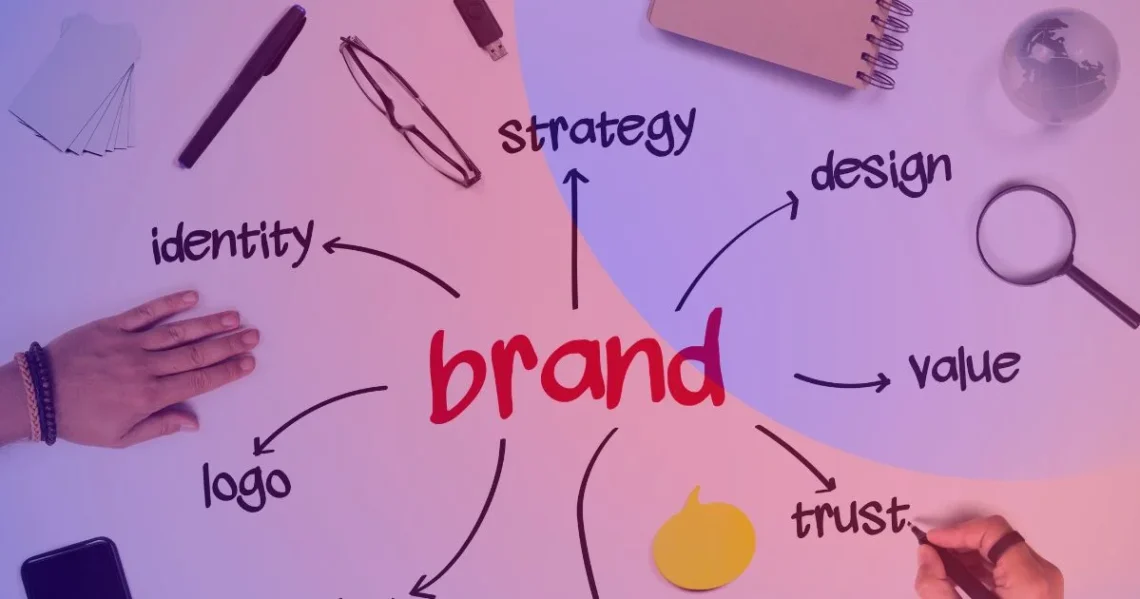
Introduction to brand development
Brand development is one of those business concepts that sounds simple on the surface but turns out to be surprisingly deep once you really get into it. Most people think it’s just about designing a logo or choosing a catchy name. In reality, it’s a long-term, strategic process that shapes how people feel about your company, how they remember you, and ultimately why they choose you over competitors.
If you strip away all the buzzwords, brand development is about building trust at scale. It’s about creating a clear identity, communicating it consistently, and delivering experiences that match your promises. When done right, it turns ordinary businesses into recognizable names and loyal customers into lifelong advocates.
In this guide, we’ll walk through brand development from the ground up. We’ll cover the strategy, the psychology, the design, the marketing, and the long-term maintenance. The tone will be practical and grounded, but with an expert perspective so you understand not just what to do, but why it works.
Understanding Brand Development and Why It Matters
Brand development starts with understanding what a brand really is. A brand is not your logo, website, or packaging. Those are just tools. Your brand is the perception people have about you. It’s what comes to mind when they hear your name, and how they feel about doing business with you.
Think of it this way: two companies can sell the exact same product at the same price, yet one consistently outsells the other. The difference is rarely technical. It’s emotional. Customers trust one brand more, relate to it more, or simply recognize it faster. That emotional advantage is the result of deliberate brand development.
From a business perspective, strong brands reduce marketing costs over time. When people already know and trust you, you don’t have to convince them as hard. Customer acquisition becomes easier, retention improves, and referrals happen naturally. In many industries, brand equity becomes one of the company’s most valuable assets.
Ignoring brand development, on the other hand, leads to confusion. Messaging becomes inconsistent, customers don’t understand what you stand for, and you compete purely on price. That’s a race to the bottom. A well-developed brand allows you to compete on value instead, which is always a more sustainable strategy.
Defining Your Brand Strategy and Core Identity
Before you design anything or launch campaigns, you need a solid strategy. This is where many businesses rush ahead and make mistakes. Brand development without strategy is just decoration. Strategy gives your brand direction and purpose.
Start with your mission and vision. Why does your company exist beyond making money? What problem are you solving? Where do you want to be in five or ten years? These questions might sound philosophical, but they guide every decision you make. A brand with a clear purpose feels authentic, and authenticity resonates strongly with modern consumers.
Next comes defining your target audience. You can’t be everything to everyone. Effective brand development requires focus. Identify who your ideal customers are, what they care about, what frustrates them, and how your product fits into their lives. The better you understand them, the easier it is to craft messaging that speaks directly to their needs.
Finally, clarify your brand positioning. Positioning answers the question: why should someone choose you instead of competitors? Maybe you’re faster, more affordable, more premium, or more innovative. Whatever it is, it must be clear and consistent. A strong position becomes the backbone of your brand identity and guides all communication moving forward.
Crafting Visual Identity: Logos, Colors, and Design Language
Once the strategic foundation is set, you can move into visual identity. This is the part most people associate with branding, and while it’s not the whole picture, it’s still extremely important. Visual elements are often the first impression customers have of your brand.
Your logo should be simple, memorable, and versatile. It needs to work on everything from a website header to a social media icon to product packaging. Overly complex logos might look impressive at first glance but often fail in real-world applications. Clean and timeless usually beats trendy and complicated.
Color psychology plays a surprisingly powerful role in brand development. Colors trigger emotions and associations. Blue often signals trust and reliability, red suggests energy and urgency, and green can imply growth or sustainability. Choosing a consistent color palette helps reinforce the emotional tone you want customers to feel.
Beyond logos and colors, your brand needs a consistent design language. This includes typography, imagery style, layouts, and even icon choices. When everything looks cohesive, your brand feels professional and trustworthy. When it’s inconsistent, it feels amateurish. Consistency is what turns scattered visuals into a recognizable brand presence.
Developing Your Brand Voice and Messaging
While visuals grab attention, words build relationships. Your brand voice is how you sound when you speak to customers, and it’s just as important as how you look. A strong voice makes your brand feel human rather than corporate.
Start by deciding on your tone. Are you formal or casual? Friendly or authoritative? Playful or serious? There’s no single correct choice. The right tone depends on your audience and industry. A law firm might sound professional and reassuring, while a lifestyle startup might use a relaxed and conversational voice.
Messaging should clearly communicate your value. Instead of vague claims like “high quality” or “best service,” explain specifically how you help customers. Clear, benefit-driven language is far more persuasive. People want to know what’s in it for them, not just what you think about yourself.
Consistency is crucial here too. Your website, emails, ads, and social media should all sound like they come from the same personality. When voice changes dramatically from one channel to another, trust erodes. A consistent voice strengthens recognition and helps customers feel more connected to your brand over time.
Building Brand Awareness Through Marketing and Experience
Even the best brand won’t matter if nobody knows it exists. Brand development includes actively getting your identity in front of the right people. Marketing plays a central role in building awareness and reinforcing your message.
Content marketing is especially effective for brand building. Blog posts, videos, podcasts, and guides allow you to demonstrate expertise and provide value before asking for a sale. This builds credibility and trust, which are key components of strong brands. People prefer to buy from companies that educate rather than just sell.
Social media also provides opportunities for direct engagement. Instead of treating it like a billboard, use it as a conversation platform. Respond to comments, share behind-the-scenes content, and show the human side of your business. These small interactions make your brand feel approachable and authentic.
Customer experience ties everything together. Every touchpoint, from browsing your website to contacting support, shapes how people perceive you. If your messaging promises simplicity but your checkout process is confusing, the brand promise breaks. Consistent, positive experiences are what truly cement a brand in customers’ minds.
Strengthening Loyalty and Long-Term Brand Equity
Brand development doesn’t stop once customers make a purchase. In fact, that’s where the real work begins. Retaining customers and turning them into advocates is far more valuable than constantly chasing new ones.
Loyalty grows when you consistently deliver on your promises. If you claim to offer fast service, be fast every time. Reliability builds trust, and trust builds loyalty. Over time, customers start choosing you automatically without comparing alternatives. That’s the power of strong brand equity.
Community building is another effective strategy. Encourage customers to feel like they’re part of something bigger than just a transaction. This could be through events, exclusive content, or online groups. When people feel emotionally connected to a brand, they stick around longer and recommend it to others.
Feedback also plays a critical role. Listen to what customers are saying and use their input to improve. Brands that evolve based on real needs tend to stay relevant. Ignoring feedback can make even well-known brands fade over time. Continuous improvement keeps your brand alive and competitive.
Measuring and Evolving Your Brand Over Time
Brand development is not a one-time project. Markets change, customer expectations shift, and competitors adapt. To stay effective, your brand must evolve while maintaining its core identity. That balance between consistency and flexibility is key.
Tracking metrics helps you understand what’s working. Brand awareness surveys, customer satisfaction scores, repeat purchase rates, and social engagement levels all provide insights into brand strength. These numbers might not always be as straightforward as sales figures, but they reveal the health of your brand over time.
Rebranding or refreshing elements can sometimes be necessary. Maybe your visuals feel outdated or your messaging no longer reflects your direction. Small updates can modernize your brand without losing recognition. The goal isn’t to change everything, but to stay relevant and aligned with your audience.
Ultimately, successful brand development is about longevity. The strongest brands aren’t built overnight. They grow steadily through consistent effort, thoughtful strategy, and genuine relationships with customers. When you treat branding as an ongoing process rather than a quick fix, the results compound year after year.
Final Thoughts on Mastering Brand Development
At its core, brand development is about clarity and consistency. Know who you are, know who you serve, and communicate that message clearly across every interaction. When strategy, design, voice, and experience all align, your brand becomes more than a business. It becomes something people recognize, trust, and even love.
The beauty of brand development is that it’s accessible to businesses of any size. You don’t need a massive budget to build a strong brand. You need focus, discipline, and a genuine commitment to serving your customers well. Small, consistent actions often outperform flashy campaigns.
If you approach brand development with patience and intention, the rewards are significant. Higher trust, better customer loyalty, stronger differentiation, and long-term growth all flow naturally from a well-built brand. It’s one of the smartest investments any business can make.