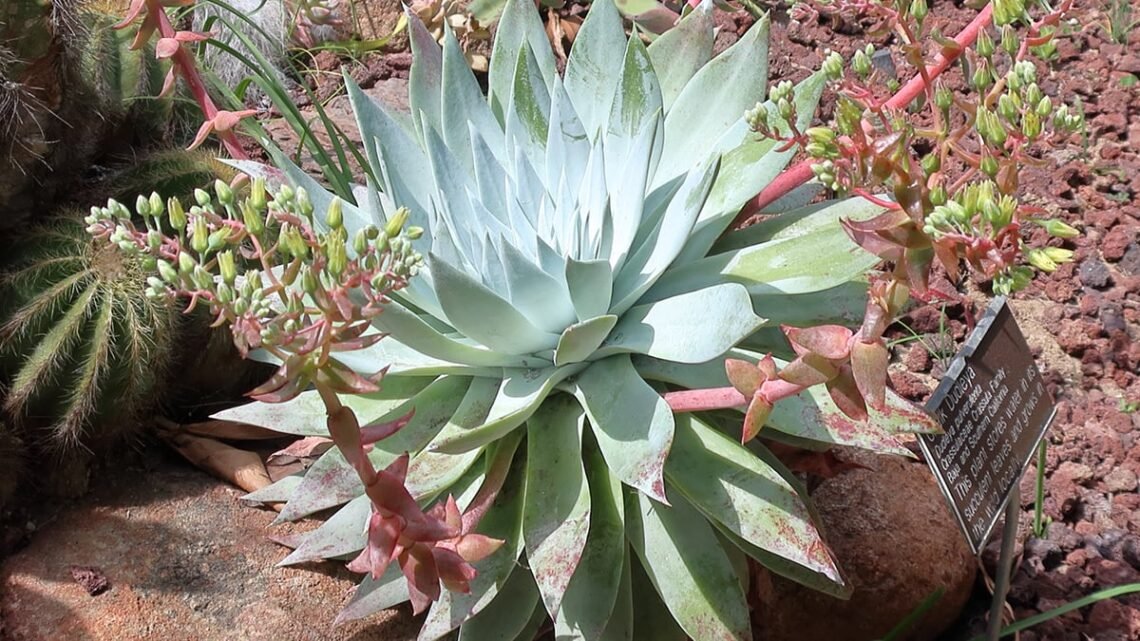
Introduction to Dudleya
Dudleya is one of those plant groups that quietly impresses anyone who takes the time to notice it. Often overshadowed by more popular succulents like Echeveria or Aloe, Dudleya offers a unique blend of natural beauty, resilience, and ecological importance. Native primarily to the western regions of North America, these plants thrive in conditions that many other species would find harsh and unforgiving.
At first glance, may look like a typical rosette-forming succulent, but there is far more depth to it than meets the eye. The soft, powdery coatings, striking symmetry, and ability to grow in rocky cliffs or coastal bluffs make it a fascinating subject for both casual gardeners and serious plant enthusiasts. Its understated elegance is part of what makes it so appealing.
In recent years, Dudleya has gained attention not only for its beauty but also for conservation concerns. Illegal poaching and habitat loss have placed some species at risk, making it even more important for growers and collectors to understand these plants responsibly. This guide will walk you through everything you need to know—from identification and care to propagation and preservation.
What Is Dudleya? A Botanical Overview
Dudleya is a genus of succulent plants belonging to the Crassulaceae family, which also includes many other well-known succulents. These plants are primarily found in California and parts of Mexico, where they grow in rocky outcrops, cliffs, and coastal environments. The genus includes over 40 species, each with its own distinct characteristics.
One of the defining features of Dudleya is its rosette structure. The leaves are typically arranged in a circular pattern, often forming tight, symmetrical shapes. Depending on the species, the leaves can range from vibrant green to silvery gray, often coated in a chalky substance known as farina. This coating helps protect the plant from intense sunlight and reduces water loss.
Unlike many succulents that thrive in indoor environments, is primarily an outdoor plant. It prefers natural conditions that mimic its native habitat, including good airflow, bright light, and well-draining soil. Understanding these natural preferences is key to successfully growing Dudleya in your own space.
Popular Dudleya Species You Should Know
The world of Dudleya is surprisingly diverse, and each species offers something unique. One of the most well-known species is Dudleya brittonii, often called the “chalk liveforever.” It is famous for its large, powdery white rosettes that can look almost sculptural in appearance. This species is particularly popular among collectors.
Another notable species is farinosa, which is commonly found along coastal cliffs. It features smaller rosettes and often displays a mix of green and red hues, especially when exposed to stress conditions like intense sunlight. Its adaptability makes it a favorite for gardeners looking to experiment with different environments.
Dudleya edulis is another interesting variety, characterized by its finger-like leaves rather than a traditional rosette. This gives it a completely different aesthetic compared to other ]species. Exploring these variations can be incredibly rewarding, especially if you enjoy building a diverse succulent collection.
Natural Habitat and Growing Conditions
To truly understand Dudleya, you need to look at where it comes from. These plants are native to regions with Mediterranean climates—areas that experience wet winters and dry summers. This seasonal pattern plays a major role in how Dudleya grows and survives.
In the wild, often grows on rocky cliffs or slopes where water drains quickly. This prevents root rot and ensures that the plant doesn’t sit in moisture for too long. The soil is typically poor in nutrients but rich in minerals, which suits the plant perfectly. Trying to replicate these conditions at home is essential for success.
Another key aspect of habitat is airflow. These plants are used to open, breezy environments, which helps keep them dry and healthy. Poor ventilation can lead to issues like fungal infections, especially in humid climates. If you’re growing , always prioritize good air circulation.
How to Grow Dudleya Successfully
Growing Dudleya can be incredibly rewarding, but it does require a bit of knowledge and patience. The first thing to focus on is soil. A well-draining mix is absolutely essential. Many growers use a combination of cactus soil, sand, and perlite to create the ideal environment.
Lighting is another critical factor. Dudleya thrives in bright, indirect sunlight or full sun, depending on the species. However, sudden exposure to intense sunlight can cause sunburn, especially if the plant has been grown in shade. Gradual acclimation is the best approach.
Watering is where many people go wrong. follows a seasonal growth pattern, meaning it requires more water during its active growing season (usually winter and spring) and very little during dormancy (summer). Overwatering during dormancy is one of the most common causes of plant death.
Watering and Seasonal Care Tips
Understanding the seasonal needs of Dudleya is crucial for keeping it healthy. During the cooler months, when the plant is actively growing, you can water it more regularly. However, even during this period, it’s important to let the soil dry out completely between waterings.
In the summer, Dudleya enters a dormant phase. During this time, the plant essentially “rests” and requires very little water. In fact, excessive watering during dormancy can lead to root rot, which is often fatal. Some growers even stop watering entirely during this period.
Another important tip is to avoid getting water on the leaves, especially for species with a powdery coating. This coating can be damaged by water, leaving the plant more vulnerable to sunlight and disease. Always water at the base and keep the foliage dry.
Propagation Methods for Dudleya
If you’re looking to expand your collection, propagation is a great option. Dudleya can be propagated through seeds, offsets, and leaf cuttings, although some methods are more reliable than others.
Offsets are the easiest and most common method. Many species produce small “pups” around the base of the plant. These can be carefully removed and replanted once they have developed their own roots. This method is relatively straightforward and has a high success rate.
Seed propagation is another option, but it requires more patience. Dudleya seeds are tiny and need specific conditions to germinate successfully. However, growing from seed can be incredibly rewarding, especially if you’re interested in rare or unique species.
Common Problems and How to Avoid Them
Like any plant, Dudleya is not immune to problems. One of the most common issues is root rot, usually caused by overwatering or poor drainage. This can be prevented by using the right soil mix and adjusting your watering schedule based on the season.
Pests are generally less of a concern, but mealybugs and aphids can occasionally appear. Regular inspection and early intervention are key to keeping these pests under control. Natural remedies like neem oil can be effective if used properly.
Another issue to watch out for is sunburn. While Dudleya loves sunlight, sudden exposure to intense rays can damage the leaves. Gradual acclimation and proper placement can help prevent this problem.
Dudleya in Landscaping and Design
Dudleya is not just a collector’s plant—it also works beautifully in landscaping. Its natural ability to grow in rocky environments makes it an excellent choice for rock gardens, coastal landscapes, and drought-tolerant designs.
One of the biggest advantages of using Dudleya in landscaping is its low maintenance requirements. Once established, these plants require minimal watering and care, making them ideal for busy gardeners or those looking to conserve water.
The aesthetic appeal of Dudleya is another major plus. Its sculptural forms and subtle color variations can add depth and interest to any garden. Pairing it with other drought-tolerant plants can create a visually stunning and sustainable landscape.
Conservation and Ethical Growing
In recent years, Dudleya has become a target for illegal poaching, particularly in its native habitats. Some species are removed from the wild and sold in international markets, which has led to significant population declines.
As a responsible grower, it’s important to source your plants from reputable nurseries. Avoid purchasing Dudleya that may have been illegally collected. Supporting ethical growers helps protect these plants and ensures their survival for future generations.
Conservation efforts are also underway to protect Dudleya in its natural habitat. By raising awareness and practicing responsible gardening, you can play a small but meaningful role in preserving these incredible plants.
Why Dudleya Deserves More Attention
Despite its many strengths, Dudleya remains relatively underappreciated compared to other succulents. This is partly due to its specific care requirements and seasonal growth patterns, which can be challenging for beginners.
However, for those willing to learn, Dudleya offers a unique and rewarding experience. Its natural beauty, resilience, and ecological significance make it a standout choice for any plant enthusiast.
As interest in sustainable gardening continues to grow, Dudleya is likely to gain more recognition. Its ability to thrive in harsh conditions and require minimal resources makes it a perfect fit for modern gardening trends.
Conclusion:
Dudleya is more than just a succulent—it’s a testament to nature’s ability to adapt and thrive in challenging environments. From its striking appearance to its fascinating growth patterns, there is so much to appreciate about this unique genus.
Whether you’re a seasoned gardener or just starting out, Dudleya offers an opportunity to expand your knowledge and connect with a lesser-known group of plants. By understanding its needs and respecting its origins, you can enjoy the beauty of Dudleya while contributing to its preservation.
In the end, growing Dudleya is not just about having a beautiful plant—it’s about embracing a deeper appreciation for nature and the delicate balance that sustains it.