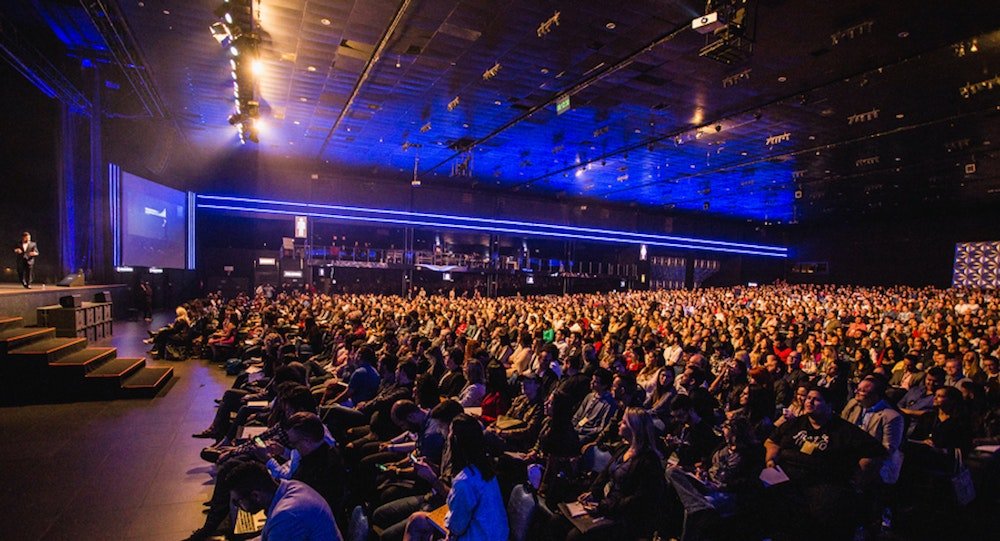
Introduction to event photography
Event photography might look simple from the outside. You show up, take pictures, and go home. But anyone who has ever worked a real event knows that it’s a fast-moving, high-pressure environment where there are no second chances. You miss the moment, it’s gone forever.
That’s exactly what makes event photography both challenging and exciting.
Whether it’s a wedding, corporate conference, birthday party, product launch, or music festival, event photography is about storytelling in real time. You’re not just documenting what happened. You’re capturing emotions, atmosphere, and energy so people can relive the experience long after the day is over.
In this guide, we’ll break down event photography from an expert perspective, but keep it casual and practical. If you want to understand how professionals approach it, how to improve your skills, and even how to turn it into a business, you’re in the right place.f
Understanding What Event Photography Really Means
Event photography is more than just taking photos of people standing around smiling. At its core, it’s about documenting experiences as they unfold naturally. The photographer acts like both an observer and a storyteller, quietly capturing the highlights while staying almost invisible.
The interesting part is that no two events are ever the same. A corporate seminar feels completely different from a wedding reception, and a concert has a totally different rhythm compared to a charity gala. That means you can’t rely on a one-size-fits-all approach. You have to adapt your style, your gear, and even your mindset depending on the environment.
Another key thing people often overlook is the responsibility that comes with event photography. These moments often carry emotional or financial value. A wedding can’t be repeated. A product launch might cost thousands of dollars. A conference might host important industry leaders. Your photos become part of the event’s history.
Because of that, event photography demands both technical skill and situational awareness. You’re not just a photographer. You’re part planner, part problem solver, and part journalist, constantly anticipating what’s about to happen next.
Essential Skills Every Event Photographer Needs
If you think expensive gear alone makes a great event photographer, you’re going to be disappointed. Skill and preparation matter far more than fancy equipment.
First, timing is everything. You need to develop a sixth sense for moments. The laugh before it happens. The handshake before it connects. The applause before it starts. Being ready a second early makes all the difference between an average shot and a perfect one. This awareness only comes with practice and observation.
Second, you need strong people skills. You’re working with guests, clients, organizers, and sometimes stressed-out planners. Knowing how to communicate politely, give quick directions for group shots, and blend into the crowd without being awkward is incredibly important. A friendly, confident presence helps people feel comfortable in front of your camera.
Technical flexibility is another must-have skill. Event lighting changes constantly. One moment you’re in bright sunlight, the next you’re in a dim ballroom. You need to adjust settings instantly without fumbling. If you’re still thinking too hard about ISO or shutter speed, you’ll miss shots.
Finally, stamina matters more than most people expect. Events can last six to twelve hours or longer. You’re on your feet the entire time, carrying gear and staying mentally alert. It’s physically demanding work, and endurance is just as important as creativity.
Choosing the Right Gear for Event Photography
Gear discussions can get overwhelming, but event photography really comes down to reliability and versatility.
A dependable camera body with good low-light performance is essential. Events often happen indoors or at night, and you’ll deal with challenging lighting conditions. Cameras that handle high ISO without too much noise are a lifesaver. Many professionals also carry two camera bodies to avoid switching lenses and to have a backup in case one fails.
When it comes to lenses, flexibility is key. A fast zoom lens like a 24–70mm is often considered the workhorse of event photography. It lets you shoot wide group shots and tighter portraits without moving too much. Pairing it with a 70–200mm lens helps capture candid moments from a distance without disturbing the scene.
Lighting gear is equally important. On-camera flash with a diffuser or bounce technique can dramatically improve indoor shots. Some photographers also use off-camera lighting setups for more control during formal portraits or staged shots. But you should keep it simple and portable, since events move quickly.
Don’t forget the small stuff either. Extra batteries, memory cards, comfortable straps, and backups for everything are non-negotiable. One dead battery or full card at the wrong moment can ruin an entire shoot.
Mastering Lighting in Fast-Changing Environments
Lighting is the biggest technical challenge in event photography. You rarely get perfect conditions, and you almost never get time to set up elaborate lighting systems.
Natural light is always your friend when available. Position subjects near windows or open spaces whenever possible. Soft daylight creates flattering skin tones and reduces the need for heavy editing later. Learning to spot good light quickly is a skill that pays off every time.
Indoor lighting can be tricky. Mixed light sources like tungsten, LED, and fluorescent lights can create strange color casts. You’ll often need to adjust white balance or shoot in RAW so you can correct colors later. This flexibility saves countless photos during post-processing.
Flash usage separates beginners from professionals. Direct flash can look harsh and amateurish, but bouncing flash off ceilings or walls creates soft, natural-looking light. It’s a simple technique that dramatically improves results. Knowing when to use flash and when to rely on ambient light is part science, part instinct.
Ultimately, event photographers must be comfortable shooting in imperfect lighting. Instead of fighting the environment, you learn to adapt and make the best of what’s available.
Capturing Candid Moments vs. Posed Shots
A good event gallery is a mix of candid storytelling and intentional portraits. Lean too heavily on one side, and the collection feels incomplete.
Candid shots often carry the most emotion. People laughing, talking, hugging, or reacting naturally to what’s happening around them. These images feel authentic and help tell the real story of the event. To capture them, you need to blend in and observe rather than direct.
At the same time, posed shots are still important. Clients usually want group photos, team shots, or family portraits. These require quick organization and clear instructions. The trick is being efficient so people don’t feel like they’re stuck in a long photo session.
A smart strategy is to schedule posed photos during specific moments while leaving the rest of the event for candid coverage. This keeps everything balanced and ensures you don’t miss spontaneous interactions.
The best event photographers know when to step in and when to step back. That judgment comes with experience and careful attention to the flow of the event.
Workflow, Editing, and Delivering Professional Results
Shooting is only half the job. The real work often begins after the event ends.
First, organization is critical. Back up your files immediately. Ideally, store them in multiple locations. Losing client photos is one of the worst mistakes you can make professionally. A solid backup system gives you peace of mind and protects your reputation.
Editing should enhance the images, not overpower them. Clean color correction, proper exposure, and subtle retouching go a long way. Event photography usually benefits from a natural look rather than heavy filters or extreme effects. Clients want their event to look real, just better.
Consistency is another big factor. Your gallery should feel cohesive. Similar tones, brightness levels, and style across all images create a polished, professional appearance. Random color shifts or uneven edits can make even great photos look messy.
Finally, timely delivery matters. Clients often want photos quickly for social media or marketing. Setting clear expectations and delivering on time builds trust and helps you stand out from competitors.
Turning Event Photography into a Business
Event photography isn’t just a creative outlet. It can be a serious business opportunity.
Start by building a strong portfolio that showcases different types of events. Potential clients want to see that you can handle various scenarios. Real examples build confidence much faster than promises.
Networking also plays a huge role. Event planners, venues, and coordinators can become valuable referral sources. Once you develop good relationships, they may recommend you regularly. In this industry, word-of-mouth is incredibly powerful.
Pricing should reflect both your time and expertise. Remember, you’re not just charging for the hours at the event but also editing, communication, and equipment costs. Underpricing might get you work at first, but it’s not sustainable long term.
Professionalism, reliability, and consistency often matter more than pure talent. Clients want someone they can trust to show up and deliver every time.
Conclusion:
Event photography can be stressful, unpredictable, and physically demanding. But it’s also one of the most rewarding types of photography out there.
You get to witness important life moments, big achievements, and meaningful celebrations. Your images become memories that people cherish for years. Few creative jobs offer that kind of impact.
When you combine technical skill, good people skills, and solid preparation, event photography becomes less chaotic and more enjoyable. You start anticipating moments instead of chasing them. You feel in control instead of overwhelmed.