Introduction to modern kitchen
A modern kitchen is more than just a place to cook—it’s the heart of the home, a social hub, and a reflection of your lifestyle. Whether you’re renovating your existing kitchen or designing one from scratch, understanding what defines a modern kitchen and how to achieve it can completely transform your space.
In this comprehensive guide, we’ll explore everything you need to know about modern kitchens—from design principles and layouts to materials, colors, technology, and practical tips. The goal is to help you create a kitchen that feels sleek, efficient, and timeless while still being warm and inviting.
What Defines a Modern Kitchen?
A modern kitchen is often associated with clean lines, minimal clutter, and a focus on functionality. But there’s more to it than just aesthetics. It’s a design philosophy that prioritizes efficiency, simplicity, and smart use of space.
At its core, a modern kitchen embraces a “less is more” approach. This doesn’t mean your kitchen should feel empty or sterile. Instead, it means every element serves a purpose, and unnecessary details are removed. Cabinets are typically flat-panel with smooth finishes, hardware is subtle or hidden, and the overall look is cohesive.
Another defining feature is the emphasis on open space. Modern kitchens often flow seamlessly into dining or living areas, creating a sense of openness and connectivity. This is especially important in contemporary homes where entertaining and social interaction are key.
Technology also plays a big role. From smart appliances to integrated lighting systems, odern kitchens are designed to make life easier. It’s not just about looking good—it’s about working smarter.
Key Elements of a Modern Kitchen Design
To create a truly modern kitchen, you need to focus on several essential design elements. Each component contributes to the overall look and functionality of the space.
First, cabinetry is a major focal point. Modern kitchens typically use flat-front cabinets with sleek finishes such as matte, gloss, or natural wood veneer. Handleless designs or push-to-open mechanisms are popular because they enhance the clean, uninterrupted look.
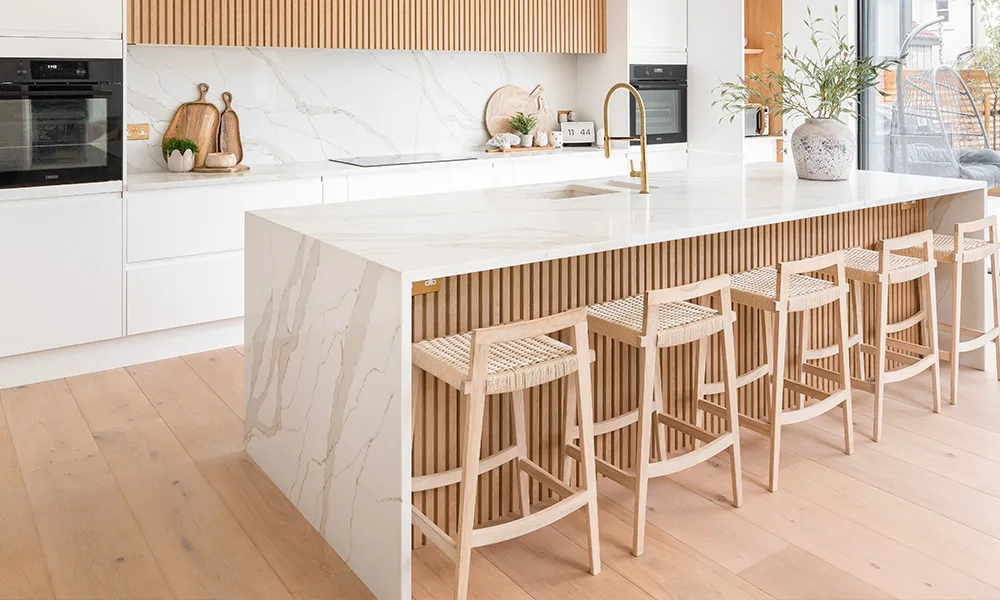
Second, countertops are chosen for both durability and style. Materials like quartz, granite, and solid surfaces are common because they are low-maintenance and visually appealing. Waterfall edges—where the countertop extends down the sides—are also a signature modern feature.
Third, lighting plays a crucial role. Instead of relying solely on overhead lighting, moder kitchens use a layered approach. This includes task lighting under cabinets, ambient lighting for general illumination, and accent lighting to highlight specific areas.
Finally, appliances are often integrated or built-in. This means they blend seamlessly with the cabinetry, maintaining a streamlined appearance. Stainless steel remains popular, but panel-ready appliances that match your cabinets are becoming increasingly common.
Choosing the Right Layout for Your Modern Kitchen
The layout of your kitchen is just as important as its appearance. A well-planned layout ensures efficiency and comfort, making everyday tasks easier.
One of the most popular layouts for modern kitchens is the open-plan design. This layout removes barriers between the kitchen and other living spaces, creating a more social environment. It’s perfect for families and those who love to entertain.
Another common option is the L-shaped kitchen. This layout maximizes corner space and provides a natural workflow between the sink, stove, and refrigerator. It works well in both small and large spaces.
The U-shaped kitchen offers even more storage and counter space. It surrounds the user on three sides, making it highly functional for cooking. However, it requires a bit more space to avoid feeling cramped.
For larger homes, the island kitchen is a favorite. A central island adds extra workspace, storage, and seating. It also serves as a focal point, making the kitchen feel more dynamic and interactive.
Modern Kitchen Color Schemes and Finishes
Color plays a powerful role in defining the mood of your kitchen. Modern kitchens often stick to neutral palettes, but that doesn’t mean they are boring.
White is a classic choice because it creates a clean and airy feel. It reflects light, making the space appear larger and brighter. Pairing white cabinets with a contrasting countertop adds depth and interest.
Black is another popular option for a bold, sophisticated look. When used thoughtfully, it can make a kitchen feel luxurious and dramatic. Matte black finishes are especially trendy in modern design.
Gray sits comfortably between white and black, offering versatility and balance. It works well with both warm and cool tones, making it a safe yet stylish choice.
Natural wood tones are also making a comeback. They add warmth and texture, preventing the kitchen from feeling too sterile. Combining wood with neutral colors creates a perfect blend of modern and cozy.
Materials That Elevate a Modern Kitchen
The materials you choose can make or break your kitchen design. Modern kitchens favor high-quality, durable materials that look great and stand the test of time.
Quartz is one of the most popular countertop materials because it’s non-porous, easy to maintain, and available in a wide range of colors and patterns. It offers the look of natural stone without the upkeep.
Stainless steel is widely used for appliances and sometimes even countertops. It gives the kitchen a professional, industrial feel and is extremely durable.
Glass is often used for backsplashes or cabinet fronts. It reflects light and adds a sleek, contemporary touch. Frosted or tinted glass can provide privacy while still maintaining a modern look.
Concrete is another trendy material. It’s bold, unique, and customizable. While it requires sealing to prevent stains, its raw, industrial aesthetic is highly appealing in modern design.
Smart Technology in Modern Kitchens
Technology has revolutionized kitchen design, and modern kitchens are at the forefront of this transformation.
Smart appliances are becoming increasingly common. Refrigerators can now track groceries, ovens can be controlled via smartphone, and dishwashers can optimize water usage automatically. These features not only add convenience but also improve efficiency.
Voice-controlled systems are another game-changer. You can adjust lighting, play music, or even follow recipes hands-free. This is especially useful when your hands are busy cooking.
Lighting systems have also evolved. Smart lighting allows you to change brightness and color temperature to suit different moods and activities. For example, bright white light for cooking and warm light for dining.
Energy efficiency is another key benefit. Modern kitchens often include energy-saving appliances and LED lighting, reducing both environmental impact and utility bills.
Storage Solutions for a Clutter-Free Space
One of the biggest challenges in any kitchen is keeping it organized. Modern kitchens address this with smart storage solutions.
Pull-out drawers and shelves make it easier to access items, especially in deep cabinets. They eliminate the need to dig through clutter and improve overall usability.
Vertical storage is another effective strategy. Tall cabinets and pantry units maximize space without taking up additional floor area. This is particularly useful in smaller kitchens.
Hidden storage compartments help maintain a clean look. Appliances like microwaves and coffee makers can be tucked away behind cabinet doors, reducing visual clutter.
Custom organizers, such as spice racks, utensil dividers, and pull-out trash bins, add convenience and efficiency. Every item has its place, making the kitchen easier to use and maintain.
Lighting: The Secret Ingredient of Modern Kitchens
Lighting is often overlooked, but it’s one of the most important aspects of a modern kitchen.
Task lighting ensures that work areas are well-lit. Under-cabinet lights are perfect for illuminating countertops, making food preparation safer and more efficient.
Ambient lighting provides overall illumination. Recessed ceiling lights are a popular choice because they offer a clean, unobtrusive look.
Accent lighting adds depth and character. It can be used to highlight architectural features, open shelving, or decorative elements.
Pendant lights over kitchen islands are both functional and stylish. They serve as a focal point while providing focused light for tasks or dining.
Modern Kitchen Trends You Should Know
Modern kitchen design is constantly evolving, and staying updated with trends can help you create a space that feels fresh and relevant.
One major trend is the use of mixed materials. Combining wood, metal, and stone creates a layered, visually interesting design.
Open shelving is also gaining popularity. It allows you to display dishes, plants, or decorative items, adding personality to the kitchen.
Sustainable design is another important trend. Eco-friendly materials, energy-efficient appliances, and waste-reduction systems are becoming standard in modern kitchens.
Minimalist design continues to dominate. Clean lines, neutral colors, and clutter-free surfaces remain the foundation of modern kitchen aesthetics.
Tips for Designing Your Own Modern Kitchen
Designing a modern kitchen can feel overwhelming, but a few practical tips can make the process much easier.
Start by defining your needs. Think about how you use your kitchen daily. Do you cook often? Do you entertain guests? Your lifestyle should guide your design choices.
Set a realistic budget. Modern kitchens can range from affordable to high-end, so it’s important to prioritize where you want to spend and where you can save.
Focus on quality over quantity. Investing in durable materials and reliable appliances will pay off in the long run.
Don’t ignore ergonomics. Make sure everything is within easy reach and that the layout supports a smooth workflow.
Finally, add personal touches. While modern ktchens emphasize simplicity, they should still reflect your personality. A few carefully chosen დეკ items can make the space feel uniquely yours.
Conclusion:
A modern kitchen is the perfect blend of style, functionality, and innovation. It’s not just about following trends—it’s about creating a space that fits your lifestyle and enhances your daily routine.
By focusing on clean design, smart layouts, quality materials, and advanced technology, you can build a kitchen that is both beautiful and practical. Whether you prefer a minimalist look or a warm, contemporary feel, the key is to keep things simple, purposeful, and cohesive.