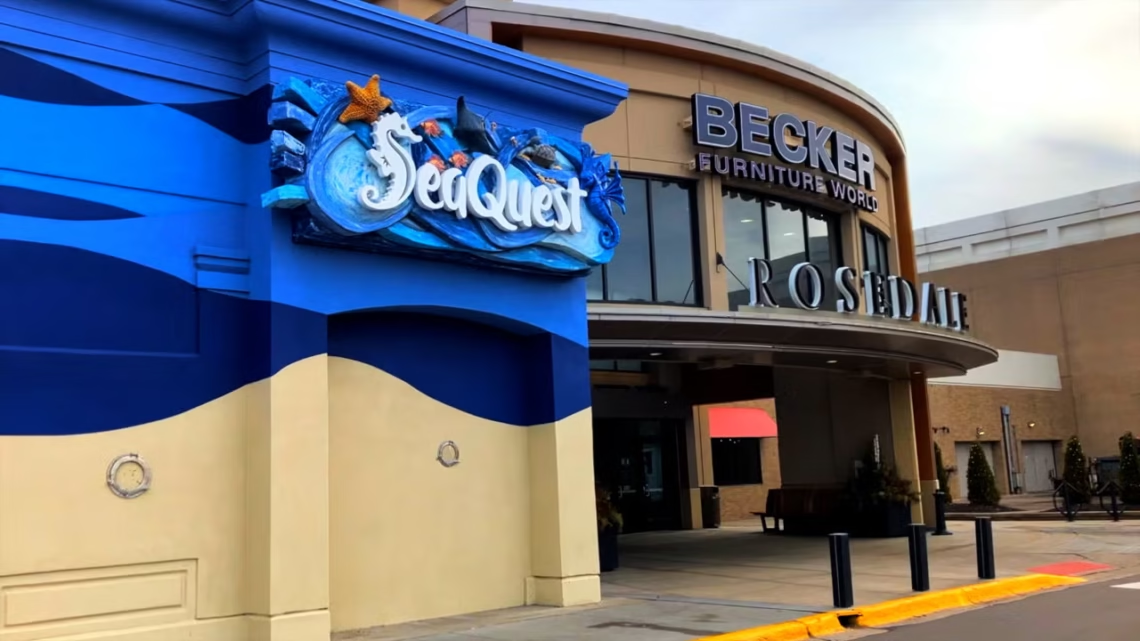
Introduction to seaquest fort worth
The story of SeaQuest Fort Worth is one that started with great promise, captivated families for years, and ended in controversy that sparked fierce debate about animal welfare, entertainment, and the responsibilities of interactive zoological attractions. This article explores the full journey of SeaQuest’s Fort Worth location—from its opening and public appeal to the serious allegations and eventual closure that left many in the community shaken. We’ll look at its beginnings, its exhibits, the backlash it faced, and the broader questions it raised about how we interact with animals in commercial environments.
A Bold Beginning: What Was SeaQuest Fort Worth?
SeaQuest Fort Worth opened in 2017 in the heart of Ridgmar Mall, one of the area’s larger shopping centers. When the aquarium first arrived, it promised a fresh, hands-on approach to wildlife encounters in a place where few expected it—a shopping mall. At its peak, SeaQuest was positioned as an educational and interactive attraction, aiming to blend entertainment with learning.
The concept was straightforward: rather than looking through glass at animals from afar, visitors were encouraged to engage closely with various creatures. Guests could pet stingrays, feed small mammal species, and interact with birds, reptiles, and fish. Staff often promoted this tactile experience as a way to foster curiosity and respect for nature, arguing that hands-on engagement helped children and adults alike connect with animals more deeply than traditional aquariums usually allow.
In theory, SeaQuest Fort Worth seemed poised to become a standout attraction not just for the mall but for the entire city. Families, school groups, and curious locals visited to experience something unique—a marine and interactive zoo-style exhibit in a place typically filled with stores and food courts. For a time, the buzz around its opening generated genuine excitement.
Interactive Exhibits: What Visitors Experienced
One of the key selling points of SeaQuest Fort Worth was its immersive, interactive layout. The aquarium featured multiple themed areas where visitors could meet and touch animals that are usually confined to traditional zoos or waterside habitats. Each section presented distinct species and provided hands-on opportunities that many said were rare for indoor attractions.
For kids especially, the appeal was magnetic. Being able to reach out and gently pet a stingray, hold a small mammal, or feed a bird was an unforgettable experience for younger visitors. Parents appreciated that these moments often came with guided explanations from staff—at least in the early years—about habitats, diets, and the importance of conservation. This blend of entertainment and purported education was central to the attraction’s mission and marketing strategy.
A typical visit could include exploring marine tanks filled with tropical fish and rays, walking through enclosures with furry mammals, and engaging with birds seaquest fort worth or reptiles in supervised settings. The idea was to break down the barrier between humans and animals respectfully, with an emphasis on learning through direct interaction rather than passive observation. Many visitors initially found this refreshing compared to more conventional aquariums or zoos.
The layout also offered amenities like gift areas, educational signage, and family-friendly spaces designed to keep visitors engaged for a full visit rather than a quick stop. In its early years, SeaQuest Fort Worth became not just an aquarium but a destination—especially for local residents looking for unique weekend plans.
Rising Concerns: Reports of Poor Conditions
Despite its initial popularity, whispers of concern about SeaQuest Fort Worth’s animal care began to surface within a few years. Reports trickled in from some visitors and former employees about inadequate living conditions for the animals and questionable management practices behind the scenes.
Over time, these concerns grew louder and more detailed. Investigations by animal welfare organizations, including the People for the Ethical Treatment of Animals (PETA), brought to light allegations of unsanitary enclosures, overcrowding, and even animal deaths. Federal inspection reports revealed repeated issues with animal housing and cleanliness—raising red flags about whether the interactive model could coexist with proper animal care standards.
USDA reports specifically cited dirty enclosures, improperly maintained habitats, and frequent violations of basic welfare regulations. These weren’t isolated complaints: records showed recurring issues that suggested systemic problems rather than sporadic bad luck or momentary lapses in care. For example, certain mammal enclosures were described as cramped and so filthy that animals had little room to engage in natural behaviors—a serious welfare concern.
These detailed accounts, combined with increasing social seaquest fort worth media commentary from dissatisfied visitors, began shifting the public narrative. No longer was SeaQuest simply an interactive aquarium; it became an attraction under intense scrutiny for its treatment of animals.
Public Scrutiny Turns to Official Investigation
The tipping point came in 2024 when whistleblower reports and third-party investigations triggered a formal response from local authorities. Multiple former employees came forward with accounts of troubling conditions, including the deaths of animals—most notably two nurse sharks, known publicly as Icarus and Achilles, who were reported to have died due to stress and lack of proper care. These allegations prompted the Fort Worth Police Department to open a criminal cruelty investigation in response to complaints filed by PETA and other advocacy groups.
Alongside the police inquiry, reports emerged describing neglected enclosures plagued by insects, insufficient sanitation, and potentially harmful conditions for the animals forced to live there. Investigators documented infestations, overcrowded tanks, and alarming practices that called into question the legitimacy of SeaQuest’s animal welfare assurances.
Pressure from advocacy groups and worsening public sentiment also drew attention from media outlets. Stories documenting animal suffering and regulatory seaquest fort worth violations circulated widely in local press and online platforms, further fueling doubt about whether SeaQuest lived up to its advertised mission of conservation and education.
Community members who had once brought their families there began sharing their own observations—many expressing shock at what they described as neglected enclosures and stressed animals. These grassroots accounts put even more pressure on authorities and helped amplify calls for thorough oversight and accountability.
Closure and Its Aftermath
By late 2024, mounting scrutiny and official investigations culminated in the permanent closure of the Fort Worth SeaQuest location. Signs on the doors, online listings, and ticketing systems confirmed that the site was no longer open to the public—and it even disappeared from SeaQuest’s official website.
PETA and other animal welfare advocates celebrated this outcome, framing it as a victory for animal rights and public safety. They pointed to repeated violations, animal deaths, and the company’s failure to meet standards as justification for its shutdown. Local statements from animal rights groups heralded the closure as necessary to protect both wildlife and visitors from further harm.
Critics of SeaQuest argued that its rise showed a flawed seaquest fort worth model of commercial animal encounters—one that prioritized interactive entertainment without sufficient attention to veterinary care, cleanliness, or long-term animal wellbeing. In their view, the closure validated years of warnings and underscored the need for stricter regulation of such attractions.
Meanwhile, questions about the fate of the animals once housed at SeaQuest remain. Advocacy groups called for proper rehoming and rehabilitation in accredited sanctuaries or zoological facilities. Ensuring the safety and health of these animals became a priority for many in the aftermath of the closure, though detailed outcomes for each animal were not widely publicized.
What This Means for Fort Worth and Animal Attractions
The closure of SeaQuest Fort Worth has broader implications for how cities approach animal-themed entertainment. At a time when public awareness about animal welfare is high, and expectations for ethical treatment are rising, attractions that fail to meet standards face intense scrutiny from both the public and regulatory bodies.
For Fort Worth, this moment sparked conversations about alternative attractions that could promote animal education without compromising welfare. Institutions like SEA LIFE Grapevine Aquarium, which is accredited and focuses on conservation, underscore that there are ways to engage the public ethically. These venues often balance interactive elements with robust welfare protocols and professional oversight, offering a model for future developments.
The experience also prompts reflection on how seaquest fort worth communities value animal interaction. While up-close experiences can be meaningful and memorable, they must be grounded in strong care standards, expert staffing, and transparent operations. This sets a benchmark not just for Fort Worth but for similar attractions nationwide.
Conclusion:
The story of SeaQuest Fort Worth is ultimately a cautionary one—revealing how good intentions can falter without rigorous standards and ethical frameworks. While interactive animal encounters hold potential to inspire stewardship and appreciation for wildlife, they require careful planning, honesty about limitations, and deep respect for the creatures involved.
For cities considering similar attractions, the SeaQuest case highlights the importance of oversight, community engagement, and adherence to recognized welfare guidelines. It also illustrates how public voices and advocacy can shape outcomes when animal wellbeing is genuinely at stake.
Today, the legacy of SeaQuest Fort Worth lives on as a reminder that entertainment and education must never come at the expense of compassion, respect, and responsible care.