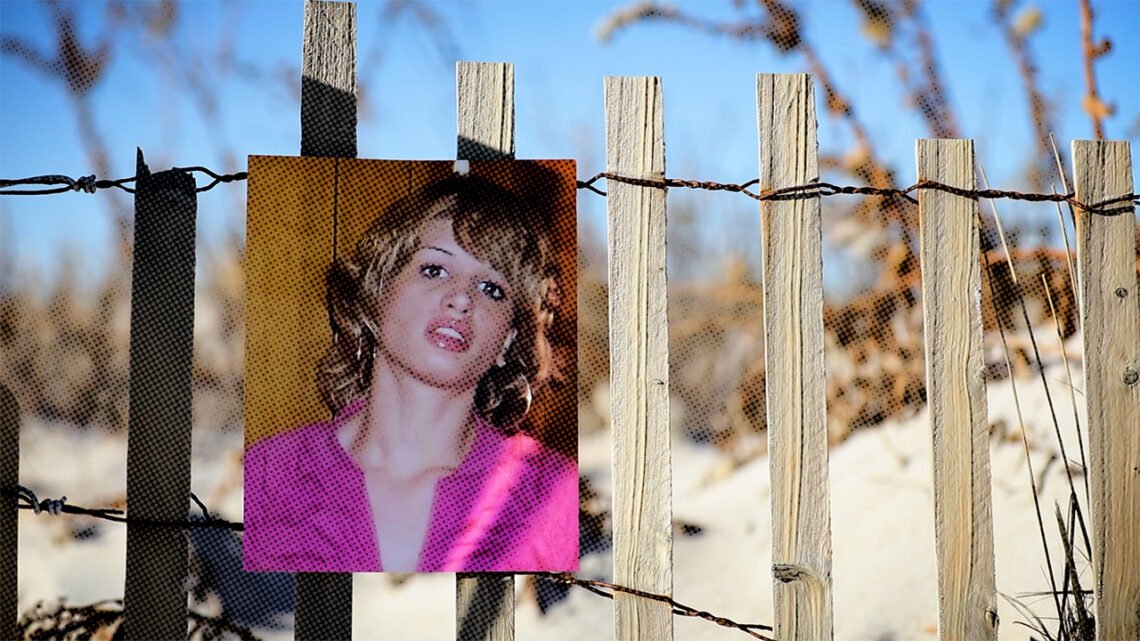
Introduction to shannan gilbert
When people talk about true crime cases that quietly altered the course of American investigations, one name comes up again and again: Shannan Gilbert. Her story doesn’t just sit in the background of a mystery; it reshaped an entire narrative. What began as a late-night 911 call and a frantic disappearance in a quiet beach community turned into a discovery that exposed one of the most unsettling serial crime investigations in modern history.
At first glance, her case looked like a tragic missing-persons incident. But the more you dig into it, the more it feels like the opening chapter of something much bigger. Her disappearance led police to uncover multiple bodies buried along a desolate stretch of highway, revealing a pattern that investigators had somehow missed for years. That twist alone would be enough to make the story compelling, but what makes it unforgettable is the human side: her family’s relentless fight, the institutional missteps, and the uncomfortable questions that still linger.
This article takes a deep, expert-level look at Shannan Gilbert’s life, the night she vanished, the investigation that followed, and why her case continues to matter more than a decade later. We’ll walk through the facts, the controversies, and the cultural impact, piece by piece.
Who Was Shannan Gilbert Before the Headlines?
Before she became a symbol in a national mystery, Shannan Gilbert was simply a young woman trying to build a life. It’s easy to forget that when a person becomes associated with a major investigation, they were once just somebody’s daughter, sister, or friend. True crime can flatten people into headlines, but Shannan’s story deserves more nuance.
She grew up with siblings and a complicated family environment, like many people do. Those who knew her described her as determined and independent. She wasn’t someone who wanted to rely on others; she made her own decisions, even when they were difficult ones. She worked various jobs over the years, navigating adulthood with the same messy unpredictability most twenty-somethings face.
Eventually, she entered the escort industry. That detail often becomes sensationalized, but from an analytical standpoint, it’s simply part of her employment history. Many women in similar circumstances choose that line of work for financial flexibility. Unfortunately, society’s stigma around sex work would later influence how authorities and the public perceived her disappearance. That stigma matters because it directly shaped how urgently her case was treated.
Looking back, this part of her life reminds us of something critical: she wasn’t a symbol yet. She was a person with routines, plans, and relationships. The tragedy is not just that she disappeared, but that her ordinary life was cut short in a way that sparked extraordinary consequences.
The Night Everything Changed in Oak Beach
The timeline of the night Shannan vanished has been examined endlessly, and for good reason. Every detail seems loaded with significance.
In May 2010, she traveled to Oak Beach, a small, gated coastal community on Long Island. It’s the kind of place where neighbors know each other and unfamiliar cars stand out. On paper, it should have been one of the last places someone could disappear without a trace.
During the early morning hours, something clearly went wrong. Shannan made a now-famous 911 call that lasted more than 20 minutes. In that call, she sounded terrified, repeatedly insisting that someone was trying to kill her. Her words weren’t coherent enough to tell a simple story, but the fear in her voice was unmistakable.
She ran from the house she had visited, knocking on doors, asking for help. Witnesses later reported seeing her dart through the neighborhood. Then, she vanished into the dark marshlands surrounding the area.
From an investigative standpoint, this sequence is chilling. There was no dramatic chase scene, no obvious crime. Just confusion, fear, and then silence. That kind of disappearance is far harder to solve than the tidy versions we see in movies.
The Search That Led to Something Bigger
Initially, the goal was straightforward: find Shannan Gilbert. Police searched the surrounding brush, marshes, and beachfront areas. Missing-person searches are often routine, even when tragic.
But what happened next changed everything.
While combing the area months later, officers made an unexpected discovery. Instead of finding Shannan, they found human remains that didn’t belong to her. Then they found another. And shannan gilbert another. Soon, the search turned into something else entirely.
Along the stretch of highway known as Ocean Parkway, multiple bodies were uncovered. Most were women. Several were believed to have worked in the escort industry, just like Shannan. The pattern was too obvious to ignore.
What started as one missing woman had accidentally exposed a potential serial killer dumping ground. Without Shannan’s disappearance prompting that shannan gilbert search, those victims might have remained undiscovered for years.
From a forensic and procedural standpoint, this is one of the most shannan gilbert consequential ripple effects in modern crime investigations. Her case quite literally changed the map.
The Link to the Long Island Serial Killer Investigation
As more remains were found, the term “Long Island Serial Killer” began circulating in the media. Sometimes shortened to LISK, the name referred to the unknown person responsible for these deaths.
For years, law enforcement struggled to piece together timelines, suspects, and motives. The victims shared similarities: many were sex workers, many had advertised online, and many disappeared after meeting clients. It suggested a predator who specifically targeted women he believed society might overlook.
And that’s where Shannan’s case gets complicated.
Some investigators initially argued that her death was unrelated. They suggested it might have been an accident or exposure to the elements. Others shannan gilbert believed the circumstances were too suspicious to dismiss. After all, she disappeared in the exact region where bodies were later discovered.
This debate created a kind of investigative limbo. Was she the first known victim? Or a tragic coincidence that happened to expose the killer’s dumping ground?
From an expert perspective, both interpretations carry weight. Yet emotionally, it’s difficult to separate them. Her disappearance was the catalyst, regardless of the technical classification.
Family, Frustration, and the Fight for Answers
If you really want to understand the emotional core of this story, look at Shannan’s family.
Her mother, Mari Gilbert, became a fierce advocate. She pushed police, spoke to reporters, shannan gilbert and refused to let her daughter’s case fade into the background. That kind of persistence is often what keeps investigations alive long after official momentum slows.
Families of missing people often describe the experience as living in permanent uncertainty. There’s no closure, no clear ending. Just questions. Mari refused to accept vague answers, especially when authorities hinted that Shannan’s lifestyle might have contributed to what happened.
That suggestion angered many observers. Victim-blaming, even subtle forms of it, undermines investigations. It shifts focus away from perpetrators and onto personal choices that shouldn’t determine whether someone deserves justice.
The family’s activism also forced broader conversations shannan gilbert about how law enforcement treats cases involving sex workers. Were these women’s disappearances taken as seriously as others would have been? Many critics argued the answer was no.
Their pressure didn’t just keep Shannan’s name alive. It changed how people talked about these victims as a whole.
The Discovery of Her Remains
In late 2011, over a year after she vanished, Shannan Gilbert’s remains were finally found in the marshland near Oak Beach.
The location raised immediate questions. She hadn’t been far from where she was last seen. It suggested she might have gotten lost or succumbed to the environment. The official cause of death was later ruled inconclusive, with some authorities suggesting accidental drowning or exposure.
But uncertainty remained.
The marsh terrain is brutal—thick reeds, unstable ground shannan gilbert , hidden water channels. It’s entirely plausible that someone panicking in the dark could become trapped. Yet the haunting nature of her 911 call kept many people skeptical. Fear like that doesn’t simply vanish.
This is where the case splits into two narratives: the official explanation and the public doubt. Even experts disagree. Without definitive forensic evidence, interpretation becomes subjective.
And that ambiguity is exactly why her story still resonates.
Media, Books, and the Cultural Impact
Over time, Shannan Gilbert’s case moved beyond local news and into national shannan gilbert consciousness. Journalists, podcasters, and filmmakers began exploring the broader mystery.
One major cultural moment came with Lost Girls, which examined the lives of several victims and highlighted how easily society overlooks certain people. The book treated these women not as statistics, but as fully realized individuals.
Later, the story reached an even larger audience through Lost Girls on Netflix. The film dramatized the family’s search for answers and brought renewed attention to the investigation.
This kind of coverage matters. Media can be exploitative, sure, but it can also apply pressure. Cold cases sometimes reopen simply because the public starts asking questions again.
In Shannan’s case, awareness helped ensure she wasn’t forgotten.
What Experts Say About the Investigation
From a professional standpoint, the shannan gilbert case reveals both strengths and weaknesses in modern policing.
On one hand, forensic searches uncovered multiple victims who might otherwise have stayed hidden. On the other, critics argue the investigation was slow and fragmented, with jurisdictional issues and poor communication hampering progress.
Experts often point to systemic bias. Cases involving marginalized communities—especially sex workers—historically receive less urgency. That reality isn’t just unfair; it can actively enable predators.
Shannan’s disappearance forced departments to reevaluate procedures. How quickly should missing-person cases escalate? How do you avoid dismissing people because of their job or lifestyle?
These aren’t just theoretical questions. They influence whether someone is found in hours or years.
Conclusion:
More than a decade later, people still talk about her. That alone says something.
Her case reminds us that a single event can expose hidden truths. Without her disappearance, several other victims might never have been discovered. That makes her story tragic, but also pivotal.
It also challenges us to confront uncomfortable realities: how society values certain lives, how stigma shapes investigations, and how families often have to fight for basic attention.
From an expert perspective, Shannan Gilbert isn’t just part of a mystery. She’s a turning point. A catalyst. A reminder that behind every headline is a human being whose life mattered long before the cameras showed up.