Introduction
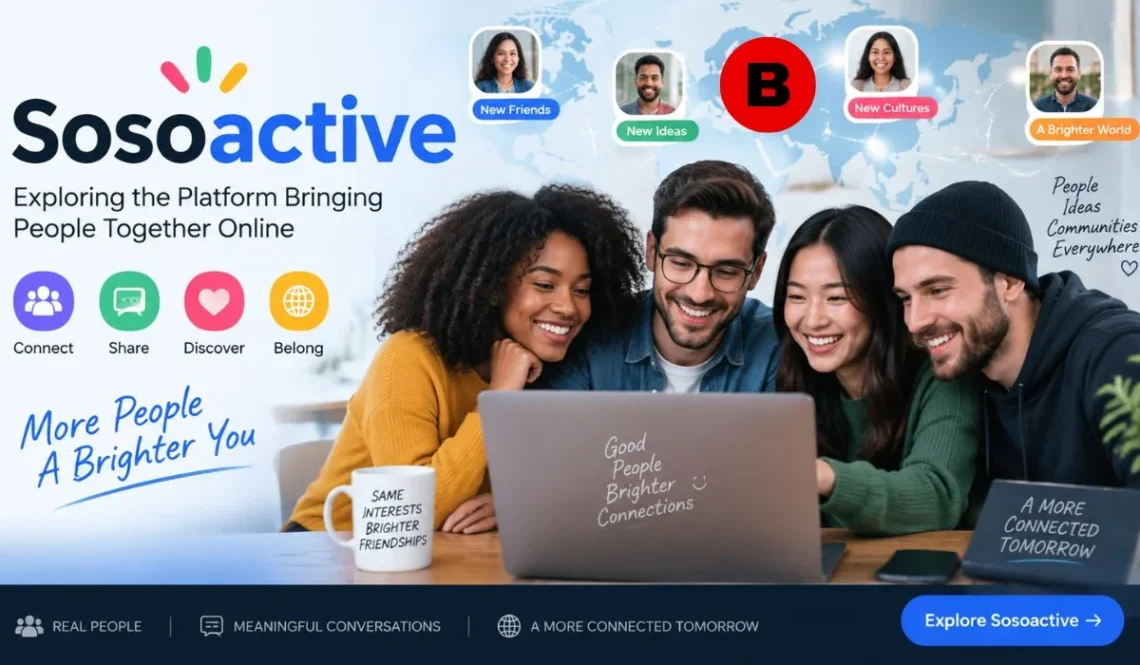
The internet has changed how people discover entertainment, follow trends, and explore digital content. Websites with distinctive names often attract attention from users looking for fresh information, online discussions, and entertainment-related topics. Sosoactive is one such search term that people may encounter while browsing the web or looking for information about an online platform.
Understanding a website or digital brand requires more than looking at its name. Readers often want to know what it offers, who might find it useful, and whether the available information is reliable. They may also want to understand how a platform fits into the wider digital media landscape.
This guide explores Sosoactive as an online search term and digital media name. It explains why people may search for it, what to consider when evaluating its online presence, and how to assess the quality of information associated with it. Where specific details cannot be independently confirmed, the article avoids presenting assumptions as established facts.
Table of Contents
- What Is Sosoactive?
- Why People Search for Sosoactive
- Sosoactive and the Digital Media Landscape
- Types of Content Readers May Look For
- The Importance of Online Content Quality
- How to Evaluate Sosoactive’s Online Presence
- Online Safety and Responsible Browsing
- Frequently Asked Questions
- Conclusion
What Is Sosoactive?
Sosoactive is a name that users may search for when trying to identify a website, digital publication, or online content source. However, a name alone does not establish the exact purpose, ownership, or reliability of a particular website. Those details should be checked against current, verifiable information before drawing conclusions.
When investigating Sosoactive, the first step is to identify the specific website associated with the name. Similar names, alternative domains, and unofficial pages can sometimes appear in search results. Checking the exact domain helps readers avoid confusing different websites or relying on information about an unrelated service.
It is also important to distinguish between a website’s stated purpose and what it actually publishes. A platform may describe itself as an entertainment source, news outlet, or digital magazine, but readers should review its current pages to understand its real content. Without reliable confirmation, claims about Sosoactive’s ownership, editorial team, publication history, or specific services should remain unverified.
Why the Name Alone Is Not Enough
A memorable name can help an online platform stand out, but it cannot explain everything about the platform. Readers need additional evidence to determine whether a website provides news, entertainment, commentary, educational material, or another type of content.
The website’s homepage, navigation menu, author information, and recent articles can offer useful clues. A clear About page may explain the site’s mission and intended audience. Contact details and editorial policies can also help readers understand how the publisher operates.
These checks are useful for any unfamiliar digital publication. Rather than assuming that Sosoactive offers a particular service, readers should use its actual pages and trustworthy external references to establish what it does.
Why People Search for Sosoactive
People search for unfamiliar names for several reasons. They may have seen a reference on social media, encountered the name in a discussion, or noticed it in a search result. Their goal is often simple: identify the website and understand whether it contains information worth exploring.
Another reason is curiosity about a platform’s reputation. Before spending time on an unfamiliar website, users may want to know whether its content is original, whether its claims are supported, and whether it appears professionally maintained. These questions are especially relevant when the website covers current events, entertainment, or trending subjects.
Some users may also be looking for a specific article or trying to return to a page they previously visited. In these cases, searching for the exact name alongside a topic can help narrow the results. However, the presence of a page in search results does not automatically establish that its information is accurate or current.
Understanding Search Intent
Search intent refers to the reason behind a person’s online search. Someone searching for Sosoactive may want a basic introduction, a direct website address, information about its content, or an assessment of its reliability.
These different goals require different answers. A reader seeking the official website needs to verify the domain, while someone researching its reputation needs independent evidence. A person looking for a particular article may benefit more from a targeted search than from a general overview.
Recognizing this distinction helps users find relevant information without wasting time. It also explains why a useful article about Sosoactive should provide context, acknowledge uncertainty, and avoid making unsupported promises about what visitors will find.
Sosoactive and the Digital Media Landscape
Digital media includes websites, online magazines, blogs, news platforms, video services, and social media publications. These channels allow publishers to distribute information quickly and reach readers across different locations. They also give audiences more choices about the subjects they follow and the formats they prefer.
Online publications compete for attention in an environment where users can switch between sources within seconds. Clear headlines, accessible layouts, relevant information, and consistent publishing standards can help a platform serve its audience. At the same time, sensational headlines and unsupported claims can make it harder for readers to distinguish dependable information from speculation.
Sosoactive can be researched within this broader digital environment, but its exact role should not be assumed without evidence. The general characteristics of digital publishing explain how websites attract and serve audiences; they do not prove that a particular platform follows every common practice.
How Online Publications Build an Audience
A digital publication typically needs to understand its intended readers. Some audiences prefer brief updates, while others want detailed explanations, interviews, reviews, or practical guides. Publishing content that matches a clear audience need can make a website more useful.
Search engines are another important discovery channel. When a page answers a question clearly and uses descriptive headings, readers may find it more easily through relevant searches. However, search visibility depends on many factors, including relevance, technical accessibility, competition, and the quality of the available content.
Trust also matters. Readers are more likely to return to a publication when its information is consistent, corrections are handled responsibly, and important claims can be checked. These principles apply across the digital media industry, regardless of a website’s size or subject area.
Types of Content Readers May Look For
When researching a digital publication such as Sosoactive, readers often want to understand the kinds of material it makes available. The correct way to establish this is to inspect the website itself rather than infer its editorial focus from its name.
An online platform may publish articles, commentary, interviews, entertainment updates, opinion pieces, or informational guides. Each format serves a different purpose. News articles generally aim to report developments, opinion pieces present a viewpoint, and guides explain a topic or help readers complete a task.
Without verified access to Sosoactive’s current content, these categories should be treated as examples of common digital publishing formats, not as a confirmed list of its offerings.
News and Informational Articles
News and informational articles help readers understand developments, people, organizations, or broader subjects. Strong articles distinguish confirmed information from interpretation and provide enough context to prevent misunderstandings.
Readers should look for publication dates, identifiable authors, and references to reliable evidence when evaluating factual claims. A page that discusses a recent event should reflect the latest available information rather than rely on outdated details.
For any article found through a Sosoactive-related search, checking the original source can help establish whether the information is accurate. If a claim cannot be traced to a credible source, it is better to treat it cautiously than to repeat it as fact.
Entertainment and Trending Topics
Entertainment content can include celebrity updates, popular culture, media commentary, and discussions about online trends. Such topics often attract interest because they connect readers with stories and conversations already circulating across the internet.
However, entertainment reporting also requires care. Rumors about public figures, relationships, personal lives, and professional decisions can spread quickly without reliable confirmation. Responsible publishers should distinguish verified developments from speculation.
Readers should therefore consider the evidence behind a story rather than judging its quality solely by an exciting headline. This approach helps prevent misinformation and supports a healthier online information environment.
The Importance of Online Content Quality
Content quality is one of the most important factors when deciding whether a digital publication deserves attention. A useful article answers the reader’s question, explains important details, and avoids unnecessary repetition. It should also use language that readers can understand without requiring specialized knowledge.
Accuracy is equally important. Writers should check names, dates, figures, quotations, and other factual details before publication. When information is uncertain, a responsible article explains the limitation instead of presenting a guess as a confirmed fact.
Originality adds further value. An article should offer meaningful explanations, context, analysis, or practical guidance rather than simply rearranging information from other websites. Readers benefit when content helps them understand a subject more clearly or make a better-informed decision.
Signs of a Helpful Article
A well-prepared article usually has a clear purpose and a logical structure. Its headline accurately represents the content, its introduction explains what readers can expect, and its headings make important sections easy to find.
The article should also provide enough supporting detail to answer the main question. If it makes a significant claim, readers should be able to understand where that claim comes from. Relevant citations, credible references, and transparent explanations can strengthen an article’s reliability.
Another useful sign is editorial consistency. Frequent spelling mistakes, contradictory statements, misleading headlines, or unexplained factual claims may indicate that a page needs closer scrutiny. One mistake does not automatically make an entire website unreliable, but repeated problems deserve attention.
Why Originality Matters
Original content gives readers a reason to choose one publication over another. Simply repeating popular search terms or rewriting existing articles without adding useful information offers little value.
A stronger article explains the subject in its own words, provides relevant context, and addresses questions readers are likely to have. It avoids unsupported claims and makes a clear distinction between fact and opinion.
For publishers, originality should mean more than changing a few words. It involves meaningful research, careful organization, and a genuine effort to help the audience. These practices benefit readers and support the long-term credibility of an online publication.
How to Evaluate Sosoactive’s Online Presence
Evaluating Sosoactive starts with identifying the correct website and reviewing the evidence available about it. Search results can provide an initial overview, but they may contain outdated pages, copied material, or references to similarly named sites. Confirming the exact domain is therefore an essential first step.
Next, review the site’s About, Contact, and editorial information pages if they are available. These pages may explain the publisher’s purpose, provide a way to reach the responsible team, or describe how content is prepared. Their presence can be useful, although it does not independently prove that every claim on the site is accurate.
Finally, compare important statements with independent sources. If an article makes claims about a company, public figure, product, or current event, look for confirmation from reliable primary sources or established publications. This process creates a more balanced picture than relying on the website’s own descriptions alone.
Check the Domain and Website Details
The exact domain matters because different sosoactive websites can use similar names. Check the spelling carefully and avoid assuming that a search result or social media profile represents the official platform.
A secure HTTPS connection is useful because it encrypts data exchanged with the website. However, HTTPS does not guarantee that a website is honest, professionally managed, or factually accurate. It should be considered one technical indicator rather than a complete trust assessment.
Also examine the site’s navigation and page consistency. Broken links, copied branding, unexpected redirects, and contradictory contact details may warrant additional caution. These observations are not proof of wrongdoing, but they can help determine whether further verification is needed.
Review Credibility and Reputation
A website’s reputation is best assessed using multiple independent signals. Look for specific, credible reviews and discussions that explain the reviewer’s experience rather than relying on vague praise or unsupported accusations.
Check whether articles identify their authors sosoactive and whether important claims have clear sources. For news-oriented content, compare reports with primary documents, official announcements, or established news organizations. For advice-oriented content, consider whether the author demonstrates relevant knowledge and explains the limits of the information.
It is also important to separate a lack of information from evidence of a problem. A small or unfamiliar website may have limited public coverage without necessarily being unsafe. Similarly, a professional design does not guarantee reliability. A fair assessment depends on verifiable evidence rather than assumptions based on appearance alone.